01
there is violence, intimidation or control over money at home;
If you are in immediate danger, contact your local emergency number first. Womafreesm does not replace emergency services.



A route from the first conversation to the right help, wherever you are.
A psychologist navigator will help you understand what is happening, assess the risk and reach the service that can take your situation further. With your consent, each place where protection failed becomes evidence for changing the rules. While the route is being built, the help finder below shows help services that work today.
The route is being built: we are finding organizations that help women and signing memoranda with them. The opening of intake will be announced separately.
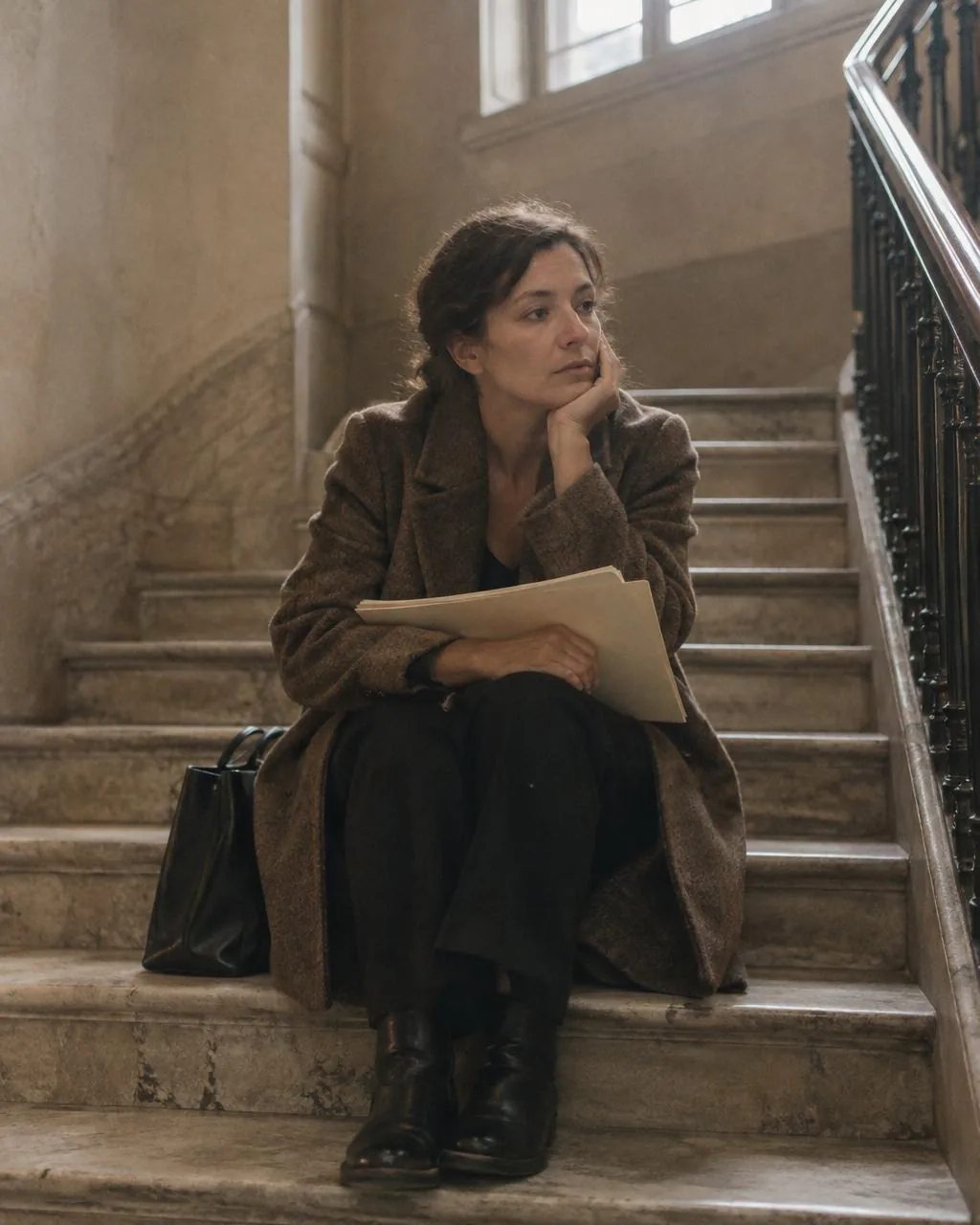
A woman facing violence, threat or the loss of her footing meets a row of questions at once. Where to call. Where to start. How to explain what happened. Which specialist comes first. Who will take her in together with her children.
Every new referral means gathering herself and telling it all again, to a new person, from the very beginning. By the third door it is easy to start thinking that the problem lies in how she asks.
The distance between women and help can be measured. In the European Union, 26.7% of women aged 18 to 74 who have experienced physical or sexual violence have ever turned to the police, health or social services or a support organization. FRA and EIGE, EU Gender-based Violence Survey, 2026
Women are not broken. The system is. Services often work apart from one another, and the gap between them falls on the woman. The Womafreesm Women's Protection Pathway turns that gap into a professional task: one woman, her circumstances and the next step that brings her closer to protection.
The route is being prepared for women who need first guidance in a situation of violence, threat, discrimination, or legal, family, social, migration or economic vulnerability. For example, when:
there is violence, intimidation or control over money at home;
help is needed with children's safety, motherhood or family relationships;
a move, the loss of a home or a hard financial situation cuts a woman off from help;
it is unclear whom to ask for legal, social or crisis help;
several services have been tried and the situation still waits for a clear next step.
The route will take into account where a woman is, how urgent her situation is and which services work in her region. First guidance will be free and open to every woman, whatever her status with Womafreesm.
Three steps. Each one leaves the woman with something she can hold on to: a clear picture, a named service, a record that counts.
A psychologist navigator will help you tell what is happening at your own pace and sort out what comes first: is there danger now, where you are, are there children, where you have already turned. You come away with a clear picture and one next step you can take.
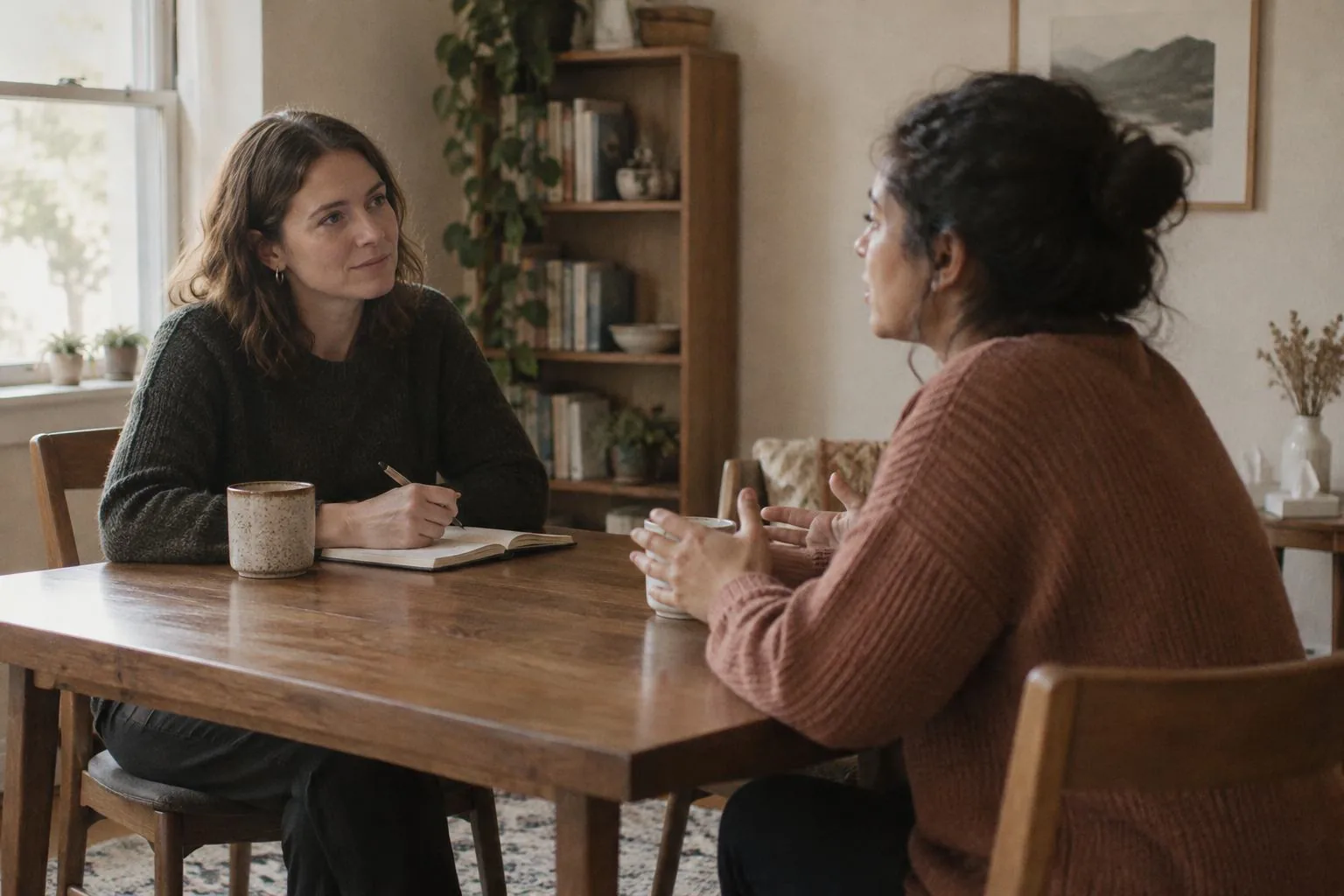
The psychologist navigator will name the service that fits: lawyers, a crisis center, a shelter, a social, family or migration service, a foundation. You hear what it does and what it asks. With your consent, your details go there, and the next talk starts where this one ended.
With your separate consent, the request enters the anonymized evidence base of Womafreesm: which help was out of reach, where you were sent in circles, what the procedure left out. Repeated records show the place of the defect and become grounds to change the rule.
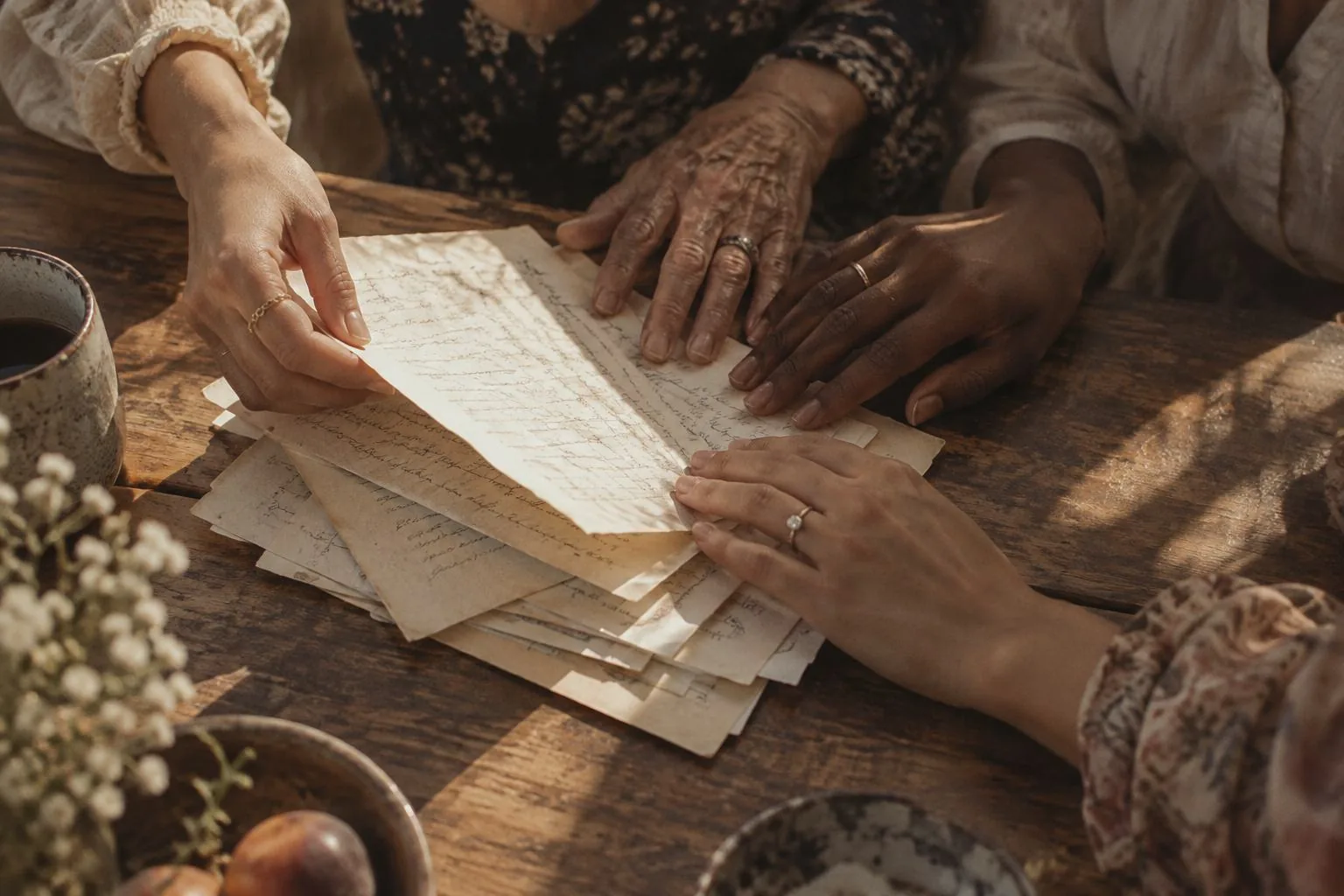
What Womafreesm promises: clear criteria, a safe first assessment and an honest explanation of the next step available. The specialist organization decides whether to take the request and how much help to give, within its remit and resources. Legal representation, a place in a shelter and other services are decisions of those specialists and services.

The help finder sorts the contacts on your screen. Your situation and place stay on your device and disappear when you leave. The page runs without analytics, advertising pixels or session recording. For you, this means your choices here stay with you.
The Leave this page button in the corner opens a neutral search page in this tab. On a shared phone, a private browser window keeps this visit out of the browsing history.
At each step you will know who is taking your request, why each question is asked, what is being suggested and what happens to the details you give. Only the details the task needs are collected.
Each use of your details has its own consent: passing them to a partner, anonymized analysis, a public story. A request stays private by default. Your name, photograph or story becomes public only with a separate voluntary consent, and the choice about analysis is made apart from the decision to ask for help.
How Womafreesm protects dataThe first stage has to show how the route works in real life: whether the first conversation sets the right priority, whether a specialist organization is found, where delays appear and what needs to change.
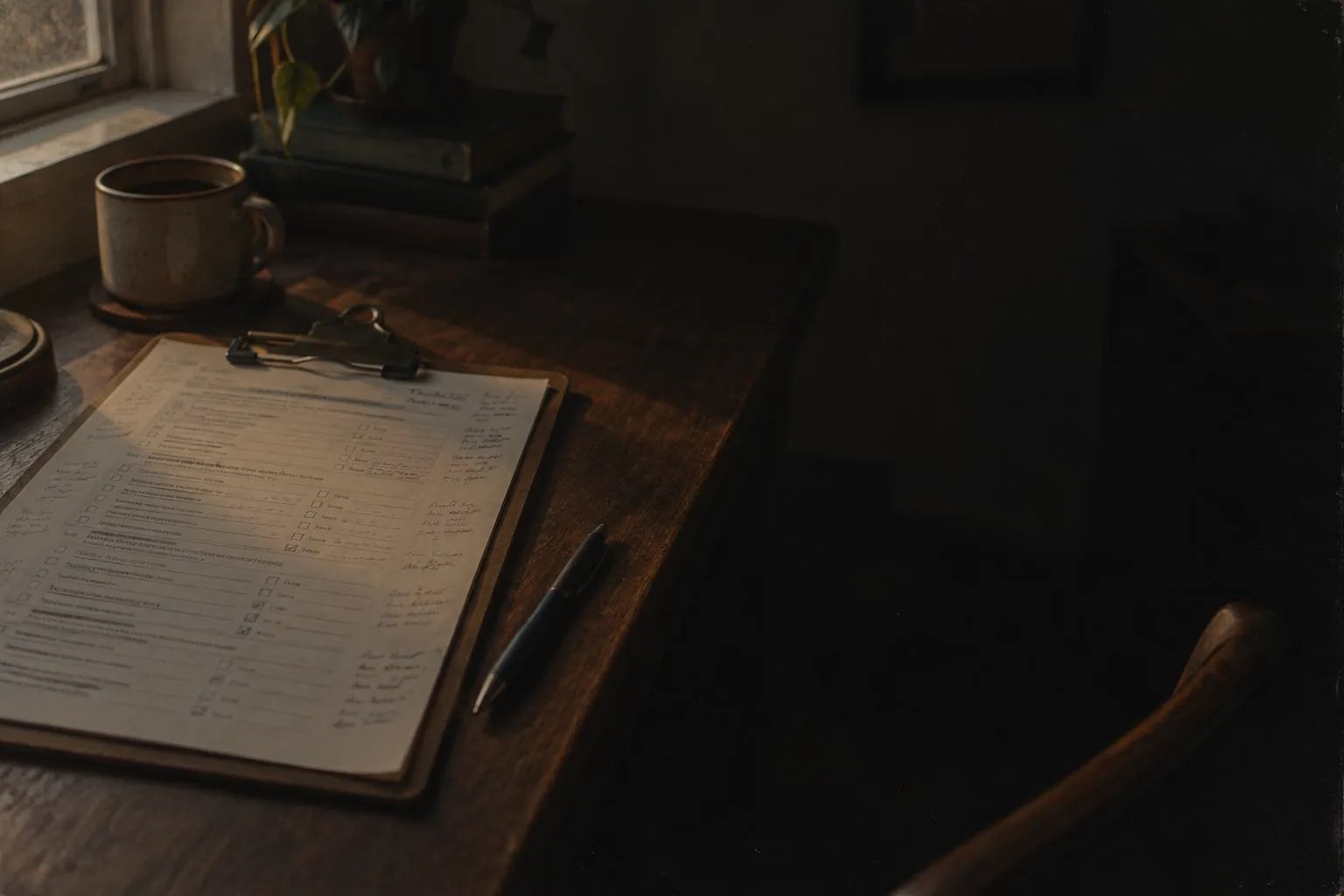
Questions, risk assessment, careful wording and ethical rules for the first talk with a woman.
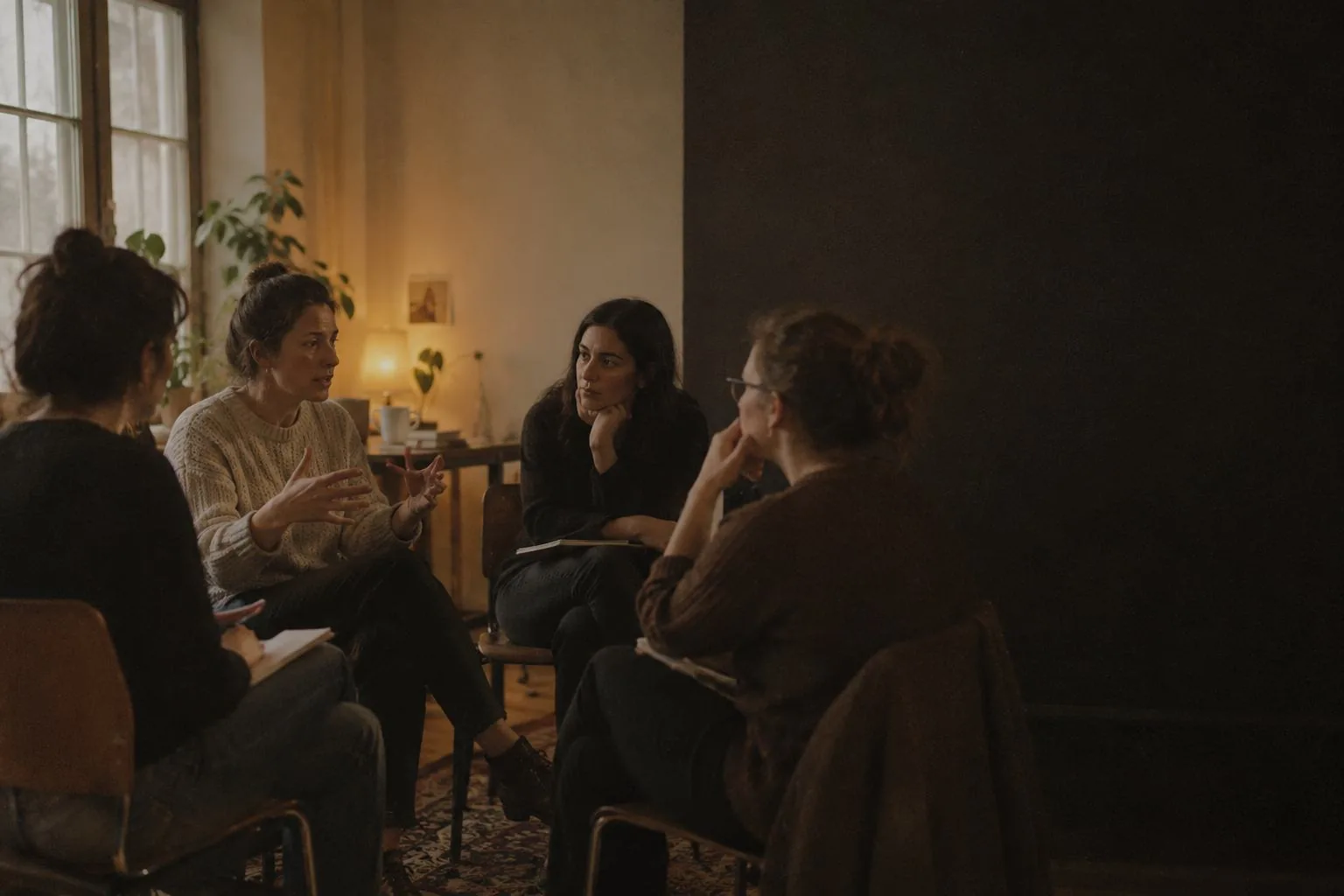
A small group of trained specialists who all work to one shared order of first intake and referral.
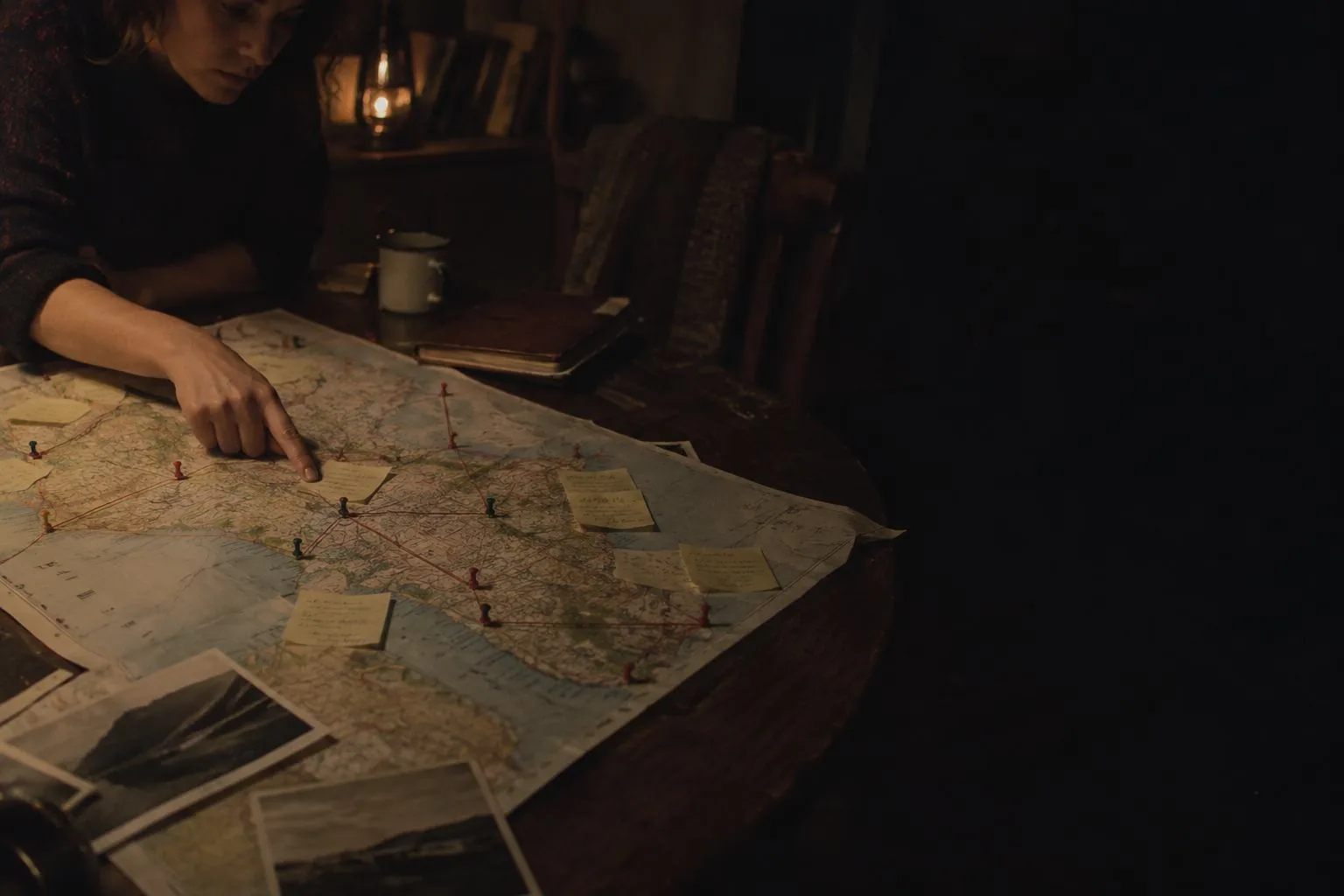
Organizations by type of help and region: their profile, their terms and room for referred requests.
The situation, the chosen route and the progress of each referral, kept under data protection rules.
What worked, where help was out of reach and what has to change before the next stage.
We are finding organizations that help women and signing memoranda with them. The next task is a wider partner map: crisis centers and shelters, legal, family and migration help, help with economic violence, child protection.
A referred request and help received are two different results. The route has to show both: where a woman was referred and what happened next. That is how anyone can see how well services connect and where protection breaks off.
We are bringing together specialists and organizations ready to build the route and test it on real requests. Each participant has a defined task, clear limits of responsibility and a visible result.
Crisis work, first intake, risk assessment, accompanying women through hard circumstances: your experience becomes part of a shared protocol. Legal, social and research expertise is needed too. Tell us about your experience, and the team agrees your role and terms with you.
If your organization helps women, you can take referred requests or make the map of services more precise. A request reaches you with a clear picture and the woman's consent, and she knows why she is coming to you. A partnership starts with a memorandum on these terms.

Behind one request is the life of one woman. Repeated requests show where rules and services leave a gap: the order of intake, access to legal help, shelter conditions, how children, financial dependence or a move are taken into account.
Here the route meets the rest of Womafreesm. With consent, anonymized records feed Womafreesm Evidence Data, the program that turns women's experience into evidence. The Womafreesm World Women's Assembly already accepts cases, and in Legal Rapid Response, Womafreesm lawyers work with the systemic errors that these cases show: they prepare petitions and legal documents so that the rule itself changes.
The route is built for women in different countries, and in each country it takes local law, conditions and partner networks into account.
We are building a path where a woman's request gets a continuation, and her experience gains the power to change the conditions of protection for others.

Your contribution builds two things at once: a route for one woman now and evidence that changes the rule for the women who come after her. Behind the route stand the specialists' work, checked contacts of organizations, an agreed order of referral and careful handling of data.
A major gift can fund the preparation and launch of the route: the protocol, training of psychologist navigators, the partner map, a safe record of requests and the review of the first 30 to 50 requests. Such funding is tied to a specific stage, with its budget, expected results and form of reporting.
Regular donations keep the work steady. Membership funds the shared infrastructure of Womafreesm, on which its protection, research and institutional change projects grow. Targeted funding for the route is agreed in a conversation.
Results are judged by the tools created and by how the route performs: a trained team, agreed terms with partners, the status of referred requests and the gaps found. Reporting keeps women's privacy and shows what is done, what needs more work and where the next stage of funding goes.
Womafreesm is building the Womafreesm Women's Protection Pathway now. The way to send a request, the channels, the hours and the terms are published on this page when intake opens. For help today, use the help finder at the top of this page: each card gives a service, its number, its hours and the source of the contact.
First guidance on the route is designed to be free and open to every woman, whatever her status with Womafreesm. Membership and donations are separate paths with their own pages, and the help finder on this page is open to anyone. Specialist organizations work on their own terms, so it is worth checking those terms before you choose where to turn.
A psychologist navigator helps a woman see her situation clearly, assess the risk and choose where to turn. Legal and crisis help comes from specialists and organizations: lawyers, crisis centers, shelters, social, family and migration services. Each of them decides on its own help after reviewing the request and agreeing the terms with the woman.
Privacy is the starting rule of the Womafreesm Women's Protection Pathway, and a request stays private by default. A name, a photograph or a story becomes public only with a separate voluntary consent given for that material. For analysis of where protection breaks down, records are anonymized and used with their own consent, given apart from the request for help.
One request shows the situation of one woman. Many requests show the rule behind it: an order of intake, a shelter condition, a gap in legal help. With a separate consent, anonymized records go to Womafreesm Evidence Data, where repeated failures become evidence for changing procedures, risk criteria and standards. The choice to take part in this analysis stays with the woman.
The contacts come from the services' own websites and from official directories of help services. Each card links to its source, so you can check it yourself before you call. Womafreesm checks the contacts against their sources every month and before each information campaign, and it corrects a card as soon as a source changes.
In any country, the first call goes to your local emergency number. Local police, ambulance services and national crisis lines can tell you which help works near you. A country appears in the help finder once its contacts have been checked against the services' own sources, and the list of countries grows as these checks are completed.
They stay on your device. The help finder sorts the contacts on your screen, and your choices disappear when you leave the page. The Leave this page button opens a neutral search page in this tab, and a private browser window keeps the visit out of the browsing history.
Select your Telegram language