How Womafreesm turns women's experienceinto grounds for new rules

What was dismissed for too long as "personal" moves from fact to evidence, from evidence to solutions, and from solutions to coalitions, international coordination, and new rules.

Propose a partnership

System Overview

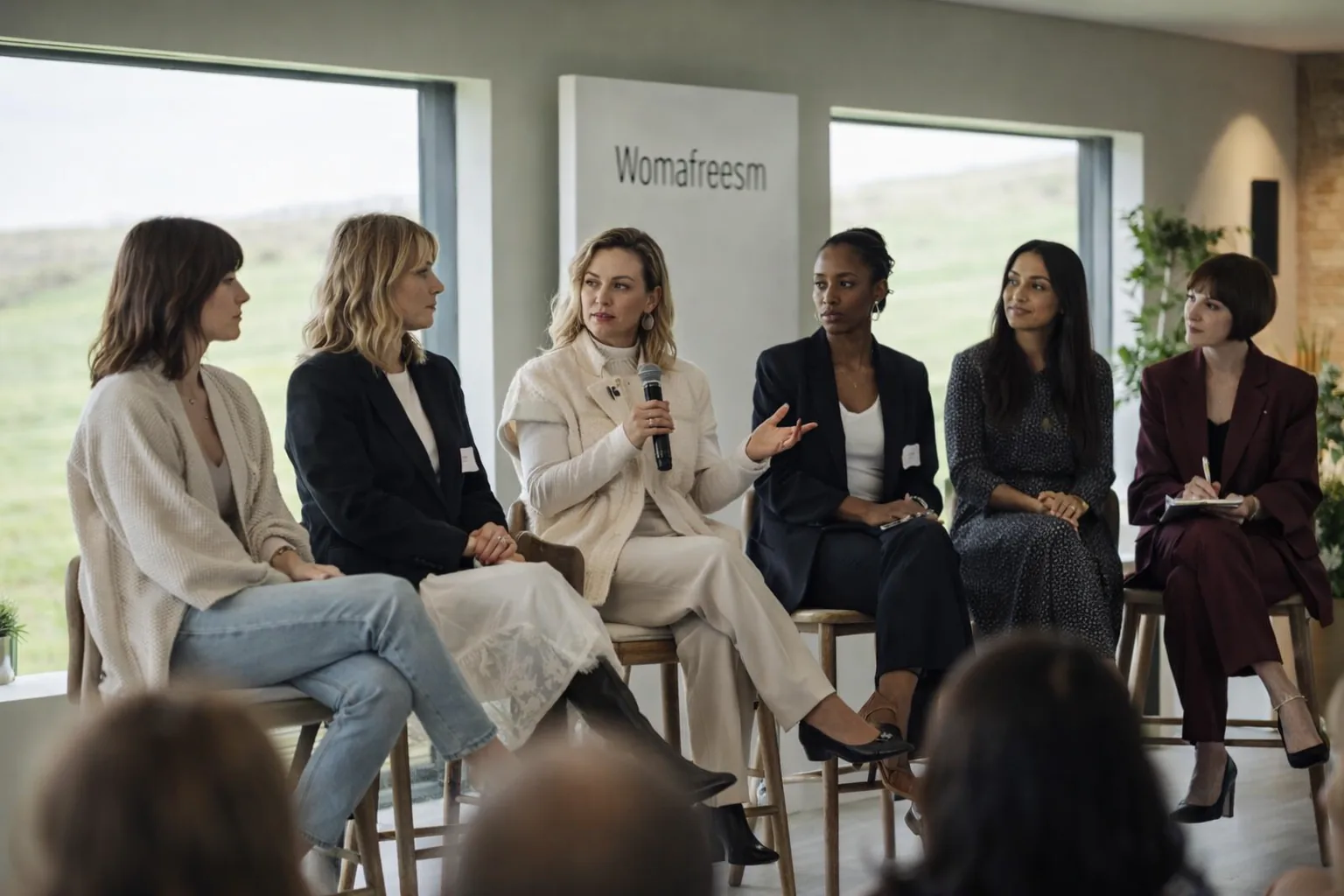
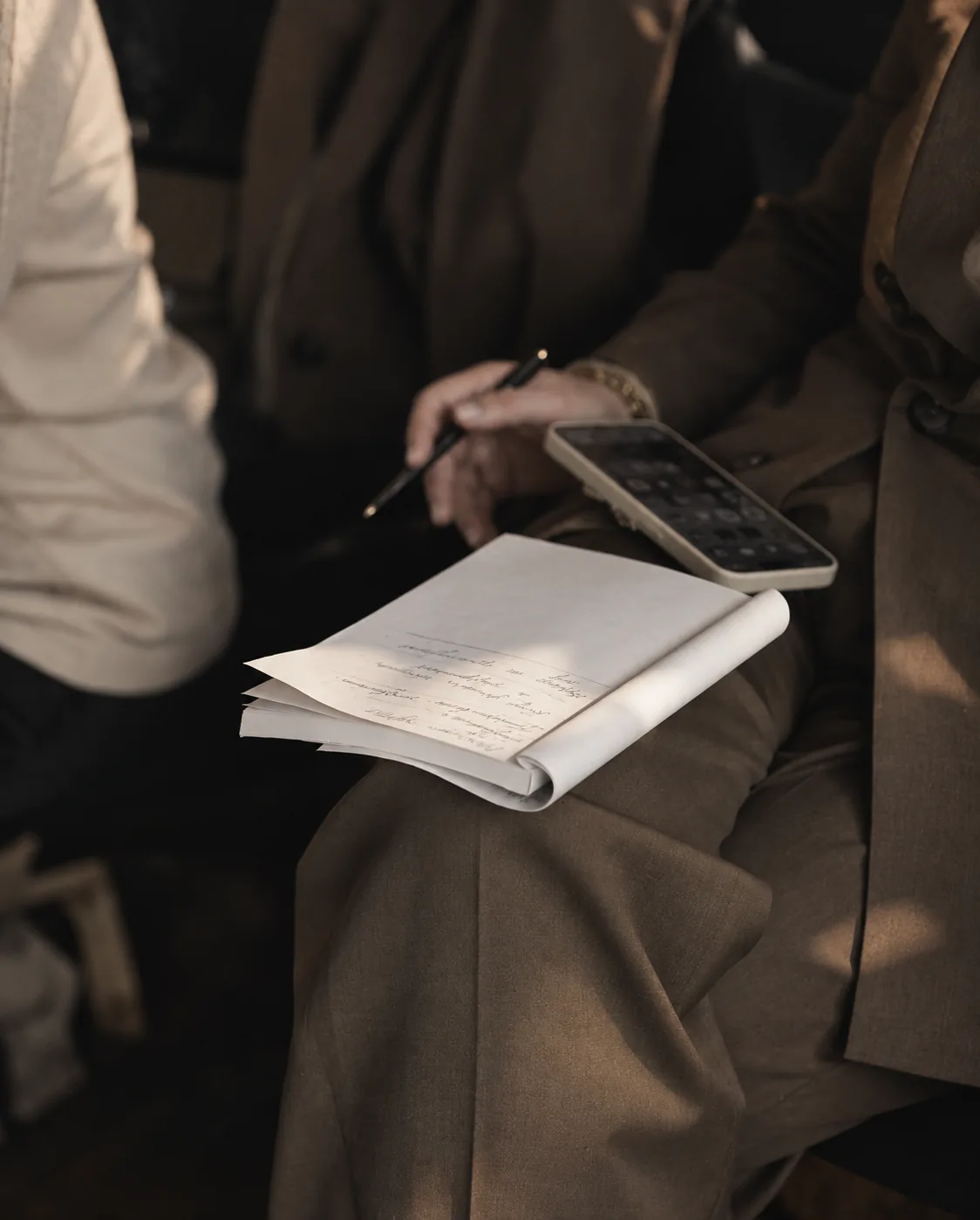
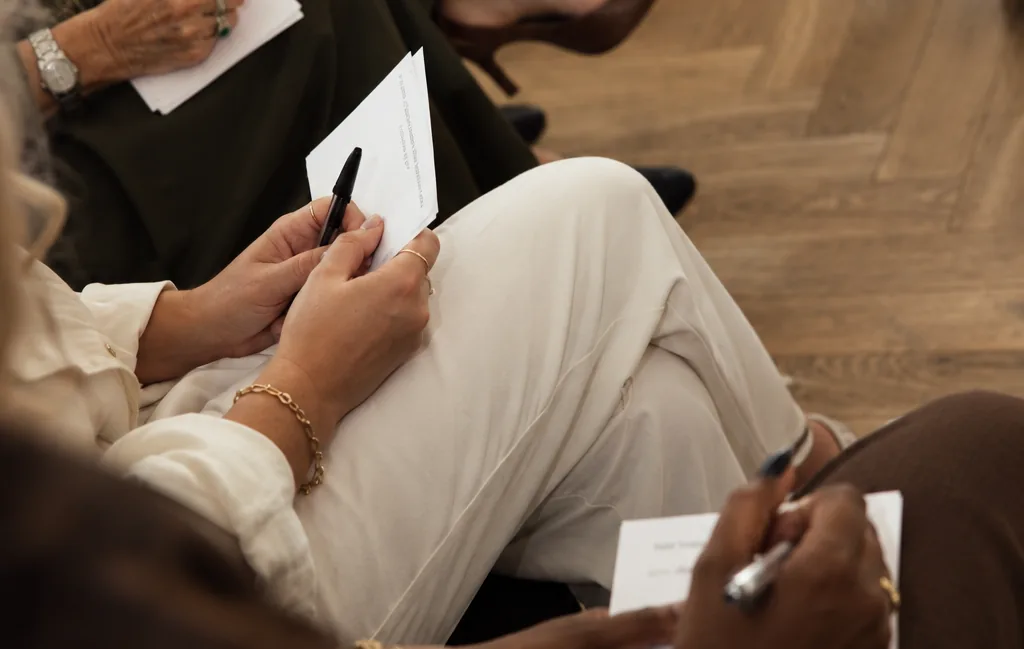
Women taking notes during a session

Womafreesm is a global infrastructure for women's influence that changes not women, but the rules that break their lives. Its architecture joins four directions in one causal chain: research and international standards, protection and institutional change, civilizational architecture, and culture, media and intellectual influence. A woman's experience becomes data, data becomes evidence, evidence forms standards, protection mechanisms and institutional decisions, and culture receives a new language of women's dignity, age, influence and freedom.

lived experience → data → evidence → Equal Consideration → protection and standards → institutional decisions → cultural norm → Synarchat

Womafreesm brings together research, evidence, legal action, and participation infrastructure.

Womafreesm is an evidence and legal infrastructure: women's reality becomes verifiable facts, facts become decisions, decisions become new rules.

Research. How women's experience becomes data.

We begin with what is usually dismissed as "too personal": age, caregiving, overload, health, income, career breaks, safety, perimenopause, menopause, postnatal recovery, and invisibility in rules and institutions.

The Women's Life-Cycle Economy Index is being built to collect this data within one shared framework, so that separate stories add up to visible patterns: where the system fails to account for women's reality and where it lacks Equal Consideration. 2026: the architecture year, methodology development and pilot preparation.

Get survey invitation


Evidence and Insights. How data becomes evidence.

Collected data does not change anything on its own. The next step is to turn it into something people can rely on: methodology, analysis, findings, indices, comparative frameworks, and working materials for decisions.

This is where women's experience stops being treated as "opinion." It becomes an evidence base that shows the scale, frequency, and cost of systemic disregard. We are not arguing about what is "right." We are showing exactly where the system fails to treat women's reality as a norm.

Legal Rapid Response. How a problem moves into the legal sphere.

Working now.

Research is the first step of the chain, not the last. When data and cases reveal a systemic failure, we translate them into legal and institutional action: submissions, legal positions, standards, procedures, and proposals for change.

Legal Rapid Response is the legal work of Womafreesm on systemic errors: when the cases of many women show the same error in a rule, a procedure or a law, Womafreesm lawyers prepare petitions and legal documents so that the rule itself changes.

Legal Rapid Response is not a law firm, not a legal practice, not a rescue service and not an emergency line.

Full limits and procedure

Infrastructure. How it scales.

Womafreesm builds infrastructure so change doesn't depend on a single campaign, person, or news cycle. Participation has structure, coordination holds, and every action leads to the next step. Women, researchers, lawyers, NGOs, universities, media, corporate partners, and local teams are being connected through the Womafreesm World Women's Assembly into a shared system where fragmented experience becomes influence.

Through coalitions, repeated issues across countries move from isolated signals to coordinated international action. We connect data, legal work, partnerships, and teams to shape norms, institutional decisions, and laws, without political alignment.

Propose a partnership

What Womafreesm builds

Slide 1/4

Research and international standards

The Women's Life-Cycle Economy Index is being built to show what it costs when a woman's life cycle is left out of the rules. The Equal Consideration Standard will turn those findings into a working method for institutions.

Hands typing on a laptop

Why these five levels only work together

Research without protection leaves a woman as an object of observation.

Protection without data responds to a single case and moves the system slowly.

A standard without philosophy becomes a technical document without civilizational meaning.

Philosophy without institutions stays an idea.

A cultural project without an evidence architecture changes the language and rarely changes the rules.

Womafreesm joins these levels into one system.

The advantage is the ability to carry one idea through the full cycle: from human pain to a changed norm.

Results and Impact. What this leads to.

Research, legal action and coordination work here as one mechanism,
not as three separate activities.

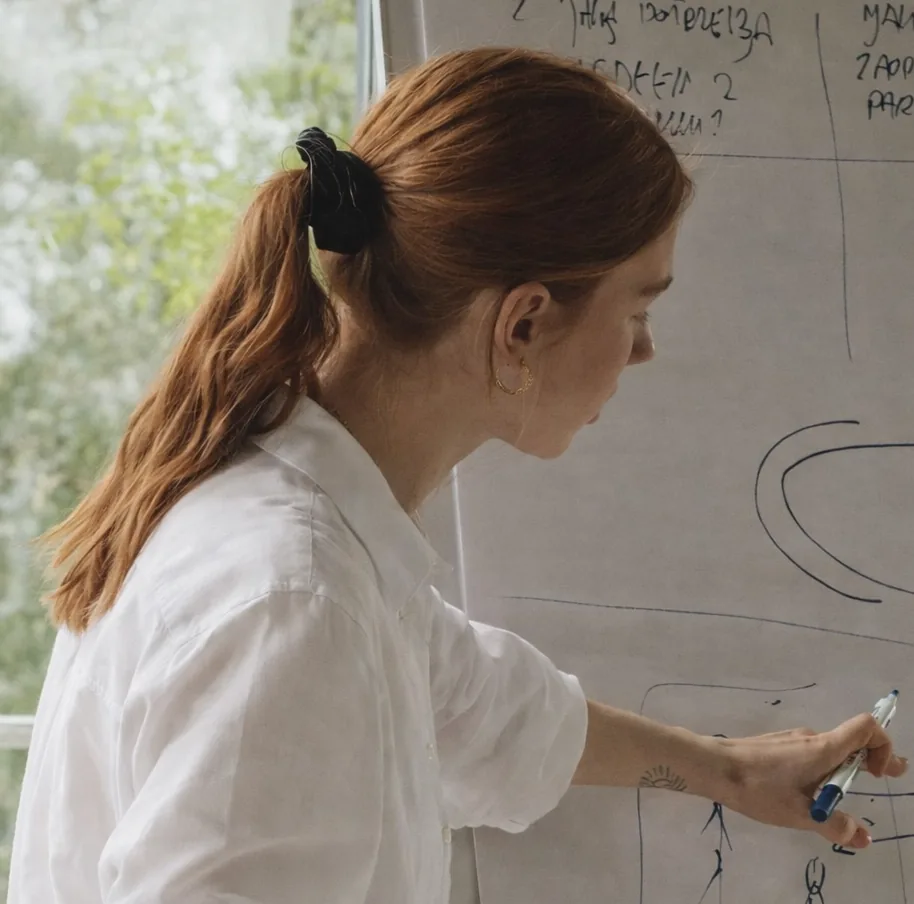
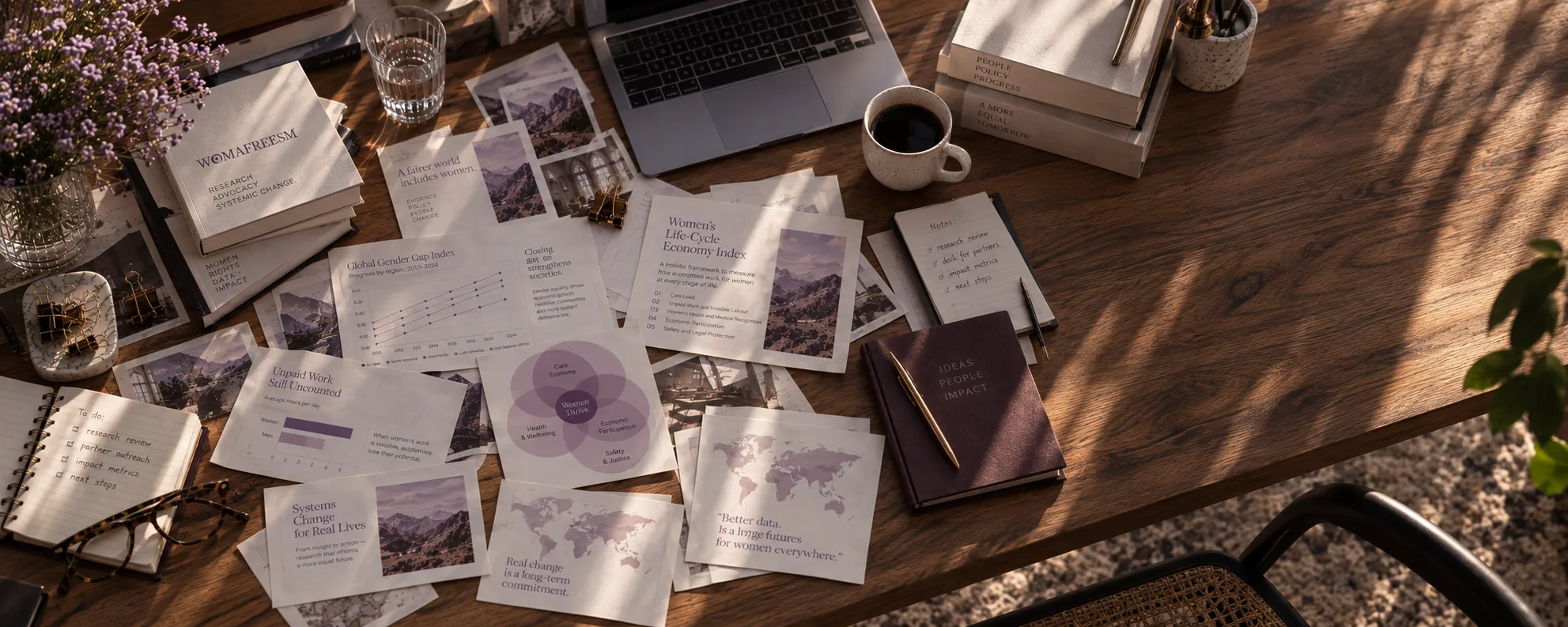
A researcher mapping findings on a whiteboard

Womafreesm creates a system that:

  • turns women's experience into evidence
  • builds legal and institutional pathways for action
  • connects women, organizations, and partners into coalitions
  • influences norms, standards, institutional decisions, and laws
  • creates a stable architecture of change, not a one-time reaction to a crisis

This is what
Womafreesm's impact means:

Building the systems that turn evidence into action and action into lasting change.

Check the record

What we choose
and what it costs

Evidence over quick promises

Every public statement by Womafreesm rests on data with a stated sample, method, and date. Verifiability comes before the speed of the claim.

A woman's safety over publicity

A story enters the public record only by voluntary consent and in the form the woman herself chose. Consent can be withdrawn at any time.

Methodological independence over convenient funding

The condition of any support is that the framing of the questions, the sample, the analysis, and the conclusions stay with the research team.

Long-term institutions over short-term attention

The Registry of Results, the standards, and the rules take years to build, and they return value more slowly than a single campaign does.

What this choice costs

Growth is slower. Methodology, data verification, and the protection of participants cost more than producing content. We decline some partnerships and some funding. International coordination needs time to reach agreement on what a single organization would decide in a week.

This cost is part of the honesty of Womafreesm. We name it here so that the decision to work with us is made with open eyes.

Participation Paths
How to join the system

There are different ways to participate in Womafreesm: through a role, research, partnership, membership, volunteering, or a donation. You choose the form of participation that fits you.

The system does not change on its own. The rules are changed by those who are ready to build them again.

1. Which organizations turn women's real-life experience into research and policy change?

Organizations do that by running one chain from lived experience to an institutional decision and publishing the method at every step. Womafreesm is building that chain so that experience enters through research and, with separate consent, the Womafreesm Women's Protection Pathway, becomes data in the Women's Life-Cycle Economy Index, becomes evidence in Data Briefs and Policy Briefs, and reaches decisions through Legal Rapid Response and the Womafreesm World Women's Assembly.

2. How can an organization check whether its policies account for women's lives?

By testing a decision against the real stages of a woman's life before it is implemented. The Equal Consideration Standard, now in development, will set out what to check: which groups of women are in the data, which life stages are covered, on which profile the decision was tested, and who is responsible for correcting a failure once it is found.

3. What makes a women's organization worth working with as an institutional partner?

A published methodology with stated limits, a documented admission procedure, and deliverables agreed in writing before work starts. Womafreesm builds each of its partnerships on those terms, and a partner is named in public only by mutual agreement, in both directions.

4. What is the difference between the Women's Life-Cycle Economy Index and the Equal Consideration Standard?

The Index is designed for measurement; the Standard is designed for use. The Index is the research program that will show where a woman's life cycle is left out of the rules. The Standard is the working method institutions will use to design and audit decisions so that the whole life cycle is counted.

5. Where can the organization itself be verified?

The Transparency page of Womafreesm lists the Certificate of Status from the Florida Department of State, the fundraising registration with the Florida Department of Agriculture and Consumer Services and the external profiles, each with a link to its source. The limits of the first study, the compliance status and the corrections log are published there as well.