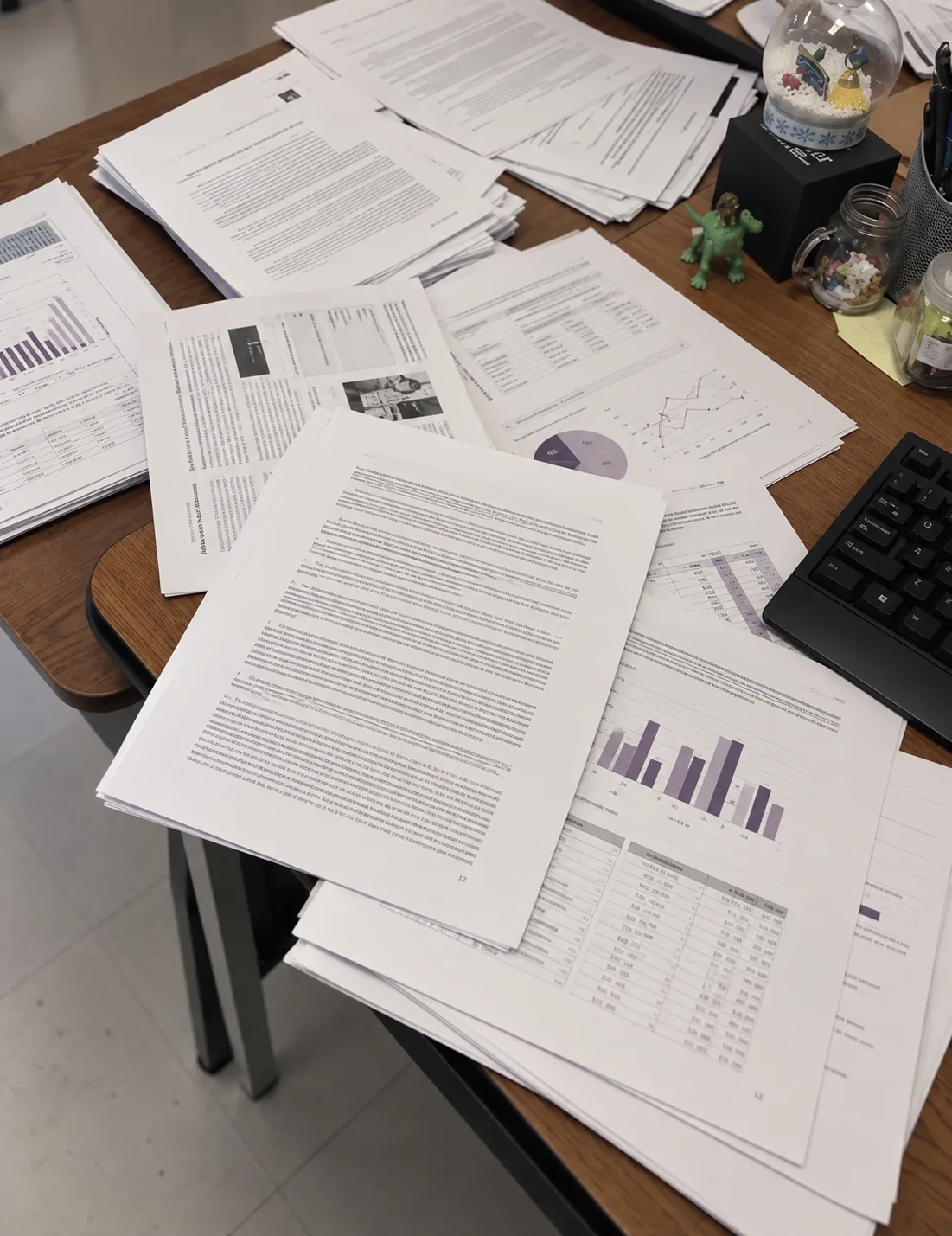
Groundwork for your story
We collect publications and documents on your topic. We explain where the data comes from, which group and period it covers and which conclusions it allows. Your newsroom gets groundwork it can check for itself.
We use analytics cookies to understand how the site is used. They stay off unless you accept them. Cookie Notice


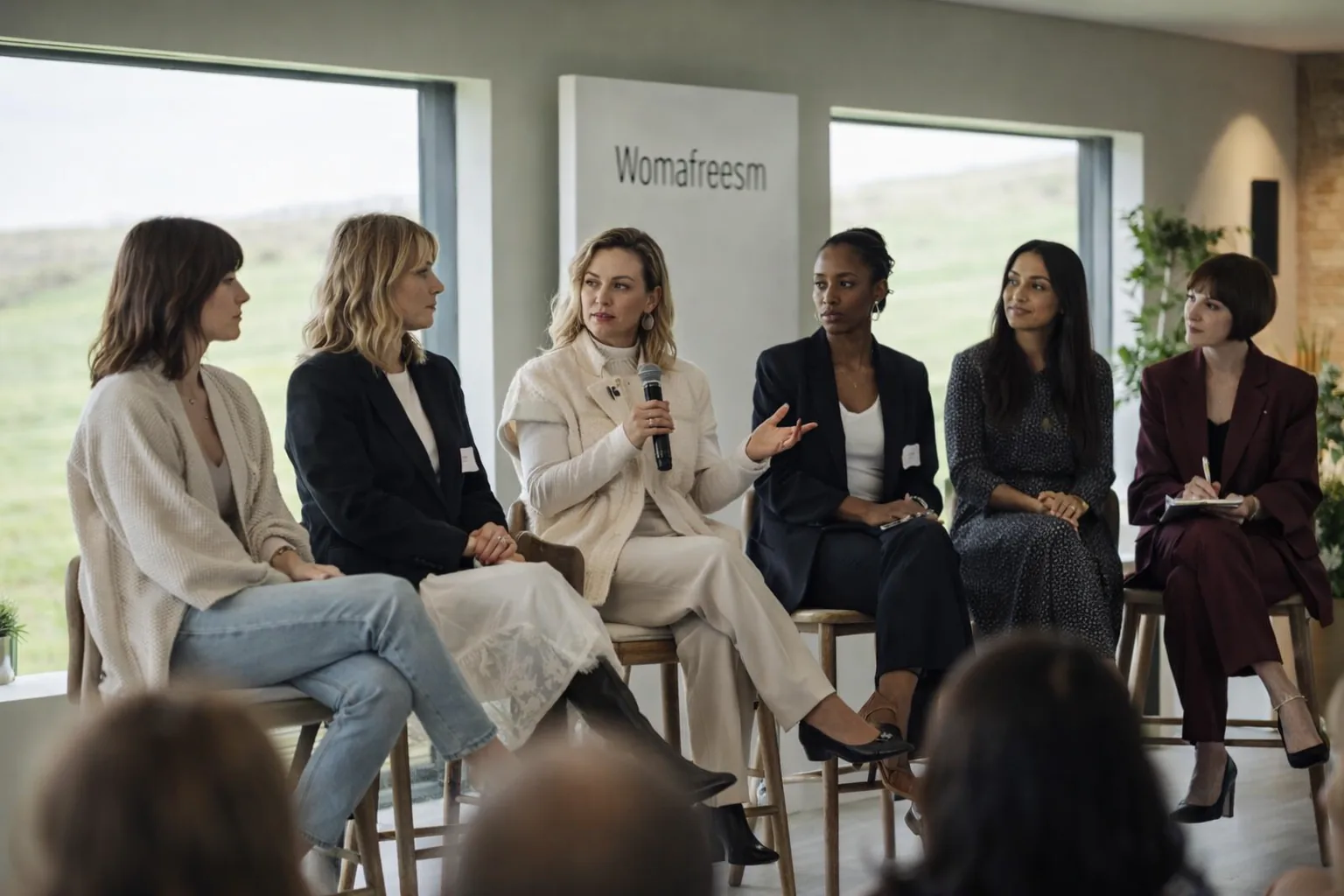
Womafreesm: a global infrastructure for women's influence.
Expert comment, sources and data for stories about the rules that shape women's lives.
Womafreesm is an international nonprofit organization that turns women's lived experiences into evidence, research, legal pathways, institutional standards, and systemic change. Bring us an editorial question. We help you find documents and data, choose experts and plan interviews on women's leadership, health, income, safety and age. Our pilot report on how AI assistants describe women of different ages is open on Zenodo, with its method and limitations.
Request materials Send your questions to Marina SukhomlinovaPress kit: logos and photos of the founder
For journalists, editors, freelance writers, podcasts and documentary projects.
We collect publications and documents on your topic. We explain where the data comes from, which group and period it covers and which conclusions it allows. Your newsroom gets groundwork it can check for itself.
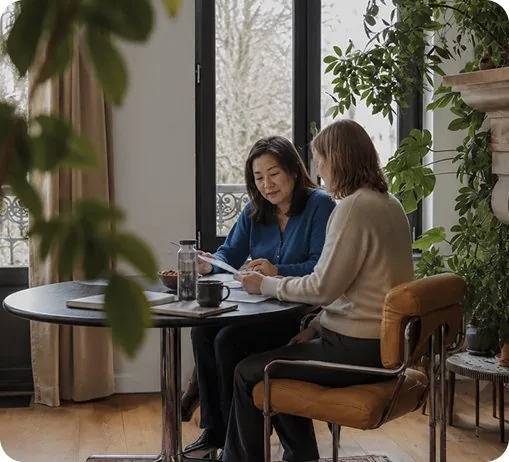
We suggest the expertise your story needs and arrange the interview: questions, format, language and deadline. A woman who shares her story takes part only with her separate consent and decides how she appears.
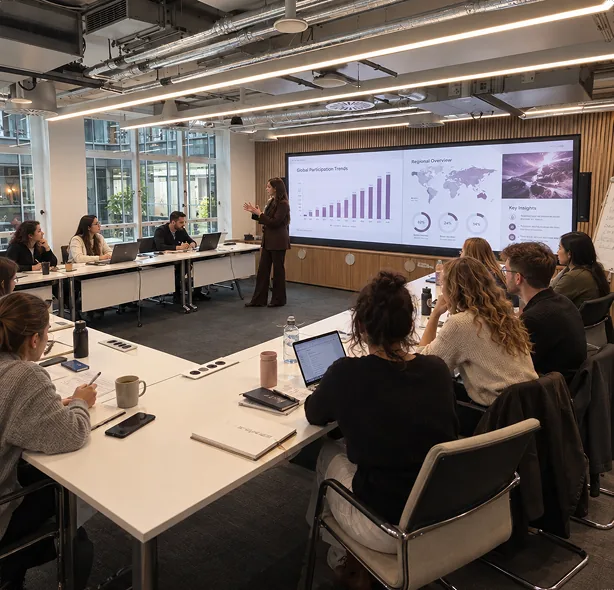
The same issue is often handled differently from one country to another. We help you compare data, rules and practice across countries and find an example that gives your local story a wider international frame.

New research and changes in the rules give you reasons to return to a topic. We can plan a series of pieces with your newsroom, from the first question to new results, each new piece building on the one before.
Where to start
Womafreesm runs the study "Age-Gender Misclassification of Women Aged 45-64 in AI, Marketing and Hiring: An International Comparative Audit" (the Audit 45-64). Its pilot P0 report is open on Zenodo as a preprint. Version 1.0 appeared on 27 September 2026, and the current version 1.1 on 28 September 2026, with the same data and findings. The corpus holds 960 responses, collected between 16 May and 16 June 2026 from the consumer interfaces of two AI assistants, ChatGPT and Gemini, in the United Kingdom, Germany, Poland, Ukraine and Spain, in five languages.
The report tests whether the study can be done as planned, calibrates the research instrument and revises the protocol before the main phase. It is a pilot report: not peer reviewed, and its pilot data are not used as evidence for the main hypotheses of the audit. The first public results of the Audit 45-64 are planned for December 2026.
For a newsroom, the preprint is a starting point. It shows how researchers study the way AI represents women and which standards of evidence to ask for. The method and its limitations are set out in the report. In the Audit 45-64, a result refers only to the models, versions, languages, countries, areas and dates that were measured. Questions for the author, Marina Sukhomlinova, can be sent with your editorial request.
Open access under Creative Commons Attribution 4.0 (CC BY 4.0). To cite all versions, use DOI 10.5281/zenodo.22997364.
Womafreesm Knowledge Desk
The Knowledge Desk answers from the organization's knowledge base and links each answer to its source. Use it for background, for lines by Marina Sukhomlinova approved for quotation, and to see what is already published on your interview questions. Quotable answers to your own questions come only in writing, from the person you will quote.
Womafreesm has created an ontological model of its knowledge base: a map of its concepts and the links between them that holds all information about Womafreesm. The desk is connected to this model, and here you get the clearest wording and correct, quick comments.
The Knowledge Desk is connected to the ontological model of the Womafreesm knowledge base, which holds all information about Womafreesm. Answers come from there, each with its source.
Test version: the Knowledge Desk is not connected to the knowledge base yet, so it does not answer. You can send your question through the request form below.
The Knowledge Desk runs on AI. It answers only from the organization's knowledge base and shows the source of each answer, so you can check it. To produce the answers, your questions go to an AI service provider that processes them on behalf of Womafreesm. Womafreesm stores your questions and the answers, and the people at Womafreesm who answer the press read them to correct mistakes. If you send a request through the form, your questions are attached to it. Please leave out confidential details of your story, details of your sources and other people's personal data. How long we keep this data, who processes it and what your rights are: Privacy Policy.
Ask about Womafreesm's work, research or positions. Every answer shows where it comes from.
Try one of these
Lines by Marina Sukhomlinova from her published texts. Quote them word for word, with the attribution below. Each line links to the place where it was published.
Women are not broken. The system is.
Marina Sukhomlinova, Founder & President, Womafreesm
Published in: Philosophy of Womafreesm, text by Marina Sukhomlinova
When the same harm repeats in millions of women's lives, its causes become a matter of public responsibility.
Marina Sukhomlinova, Founder & President, Womafreesm
Published in: Philosophy of Womafreesm, text by Marina Sukhomlinova
The norm has to be rewritten.
Marina Sukhomlinova, Founder & President, Womafreesm
Published in: Philosophy of Womafreesm, text by Marina Sukhomlinova
Women's reality has to become a standard of accuracy rather than a subject for sympathy.
Marina Sukhomlinova, Founder & President, Womafreesm
Published in: Philosophy of Womafreesm, text by Marina Sukhomlinova
If a system does not account for a woman's reality, it is not neutral. It is defective.
Marina Sukhomlinova, Founder & President, Womafreesm
Published in: Philosophy of Womafreesm, text by Marina Sukhomlinova
Women's experience becomes data. Data becomes evidence.
Marina Sukhomlinova, Founder & President, Womafreesm
Published in: Philosophy of Womafreesm, text by Marina Sukhomlinova
A system that confines a woman to a gender script confines a man to it as well.
Marina Sukhomlinova, Founder & President, Womafreesm
Published in: Philosophy of Womafreesm, text by Marina Sukhomlinova
A woman is a subject who designs the future.
Marina Sukhomlinova, Founder & President, Womafreesm
Published in: Philosophy of Womafreesm, text by Marina Sukhomlinova
Womafreesm is shaping the philosophy of a new time and turning it into a working architecture of change.
Marina Sukhomlinova, Founder & President, Womafreesm
Published in: Philosophy of Womafreesm, text by Marina Sukhomlinova
The old world required women to be convenient. Womafreesm requires the world to be accurate.
Marina Sukhomlinova, Founder & President, Womafreesm
Published in: Philosophy of Womafreesm, text by Marina Sukhomlinova
This is a philosophy of a mature transition. From shame to clarity. From clarity to evidence. From evidence to the protection of rights. From the protection of rights to a new architecture of the world.
Marina Sukhomlinova, Founder & President, Womafreesm
Published in: Philosophy of Womafreesm, text by Marina Sukhomlinova
We have come not for approval but for the future.
Marina Sukhomlinova, Founder & President, Womafreesm
Published in: Philosophy of Womafreesm, text by Marina Sukhomlinova
Because a civilization built without taking women into account will always remain unfinished.
Marina Sukhomlinova, Founder & President, Womafreesm
Published in: Philosophy of Womafreesm, text by Marina Sukhomlinova
No quote matches this word. Try another word, or request a new comment from Marina Sukhomlinova.
Original language: Russian. The English text is the translation published on womafreesm.com.
Need a new comment from Marina Sukhomlinova on your topic? Send her your questions.
Enter up to five questions. For each one, the Knowledge Desk shows what Womafreesm's published texts already say, in the third person and with sources. Then send them to Marina Sukhomlinova in one step. She answers them in writing under her own name, or declines, and you quote that written answer.
AI answers can contain mistakes. Check each answer against its source before publication. Talk to a person
Topics for expert comment
A woman returns to work after childbirth, goes through the changes of midlife, cares for relatives or asks for protection. What happens next depends on decisions made by employers, the state, medical organizations and technology companies. Journalism traces these links and makes responsibility public. For economic, technology, health and legal journalism, Womafreesm offers topics on how experiences that repeat in many women's lives are linked to the way rules are designed. We look at decisions through Equal Consideration: the mandatory consideration of the real parameters of human life when a system is designed and a decision is made.
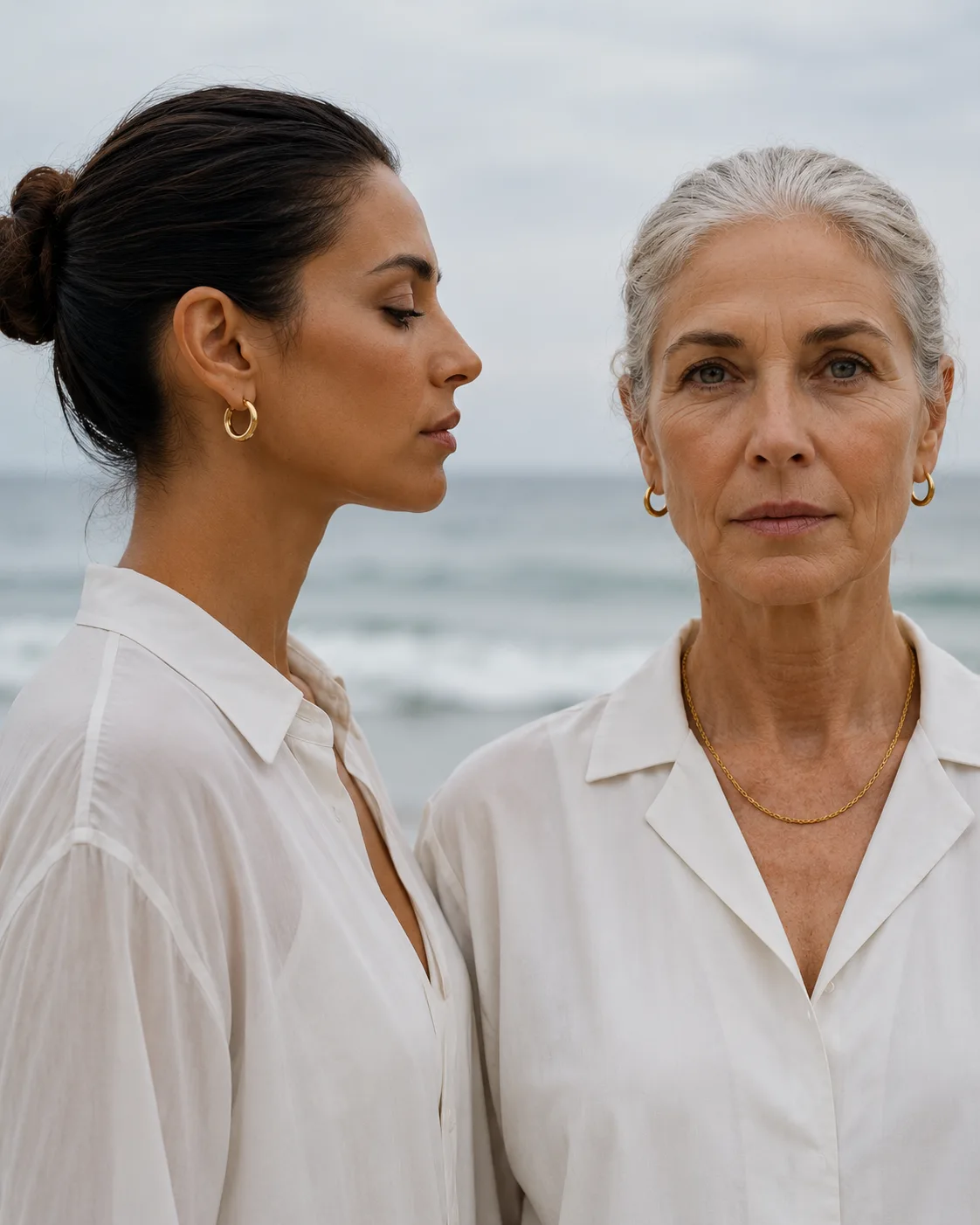
Where do women in leadership remain symbols, without real powers? Why is a woman's authority treated as an obstacle? What changes when women set the agenda as equals?
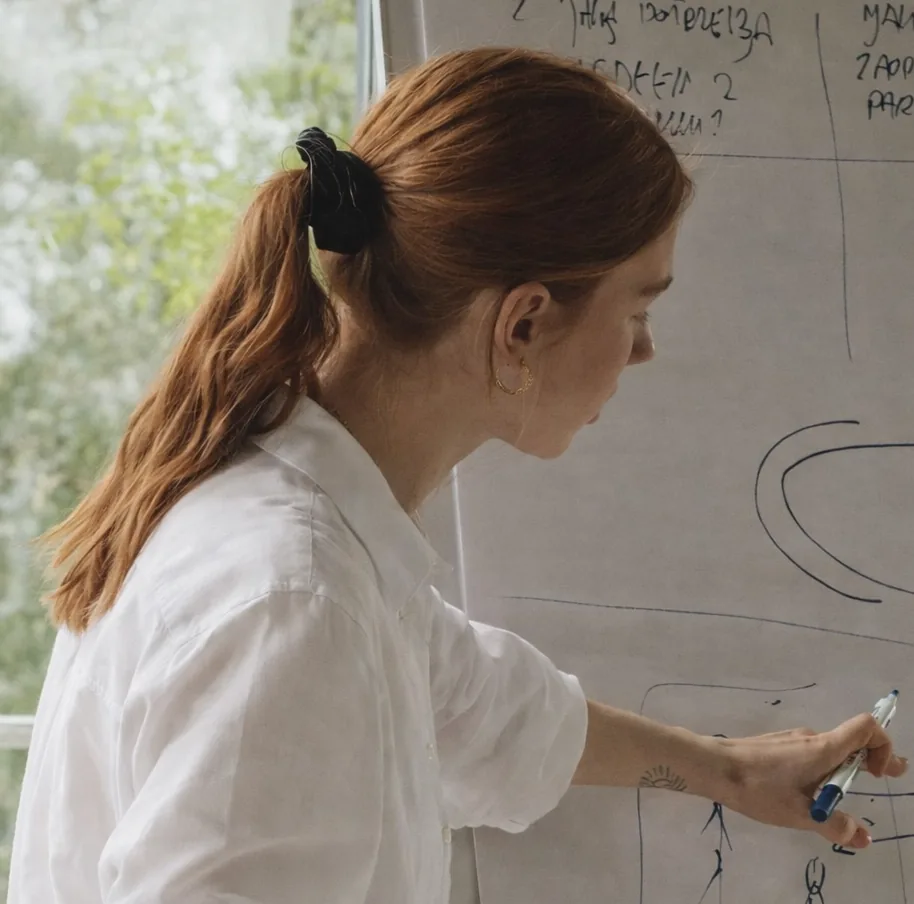
Who shapes laws, medical protocols and technology, and whose lives do they see? How can a decision be checked against Equal Consideration before it reaches the public?
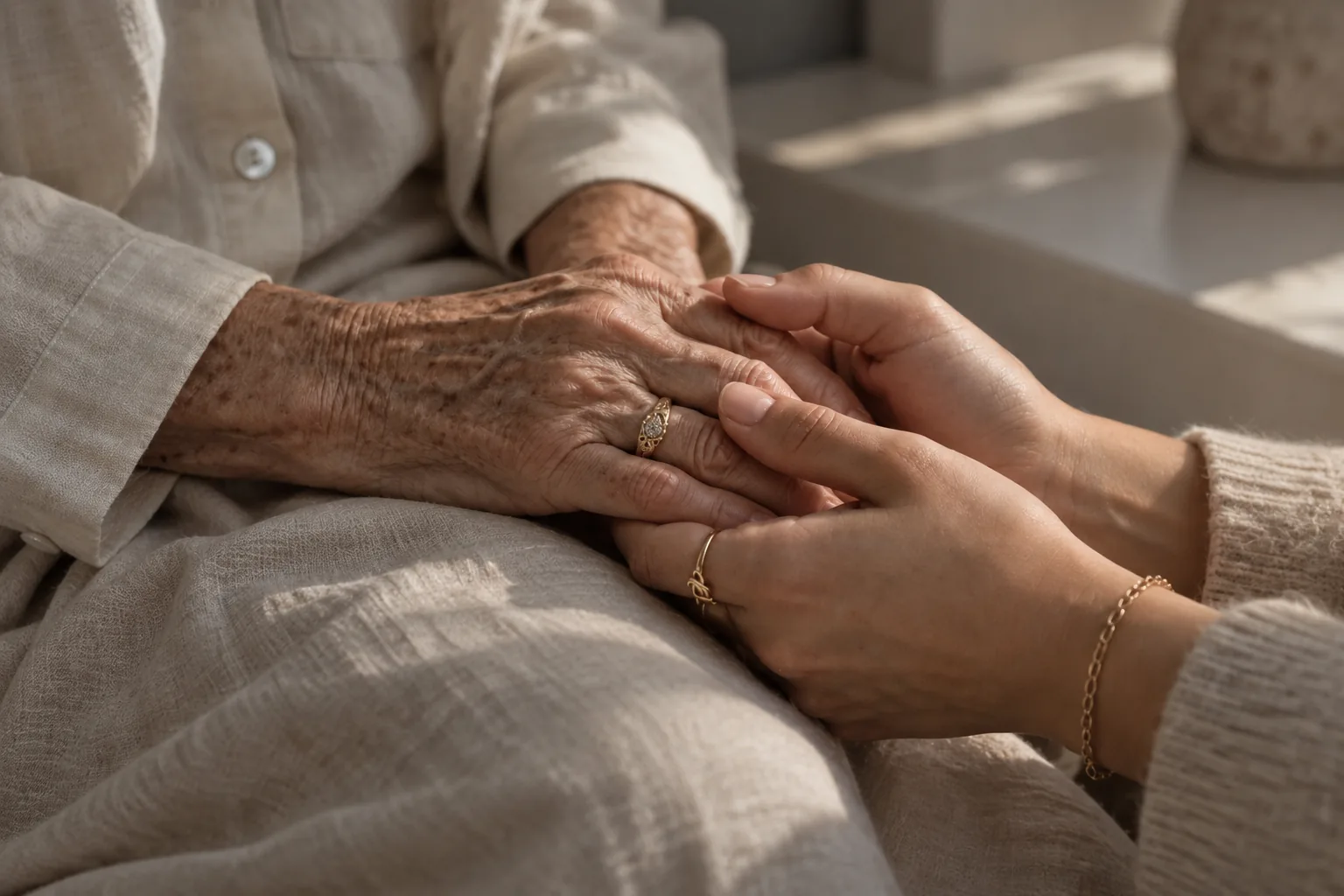
Who carries the cost when a woman cares for children or aging relatives? How do years of unpaid care affect her income and her pension? Which rules count care as work?
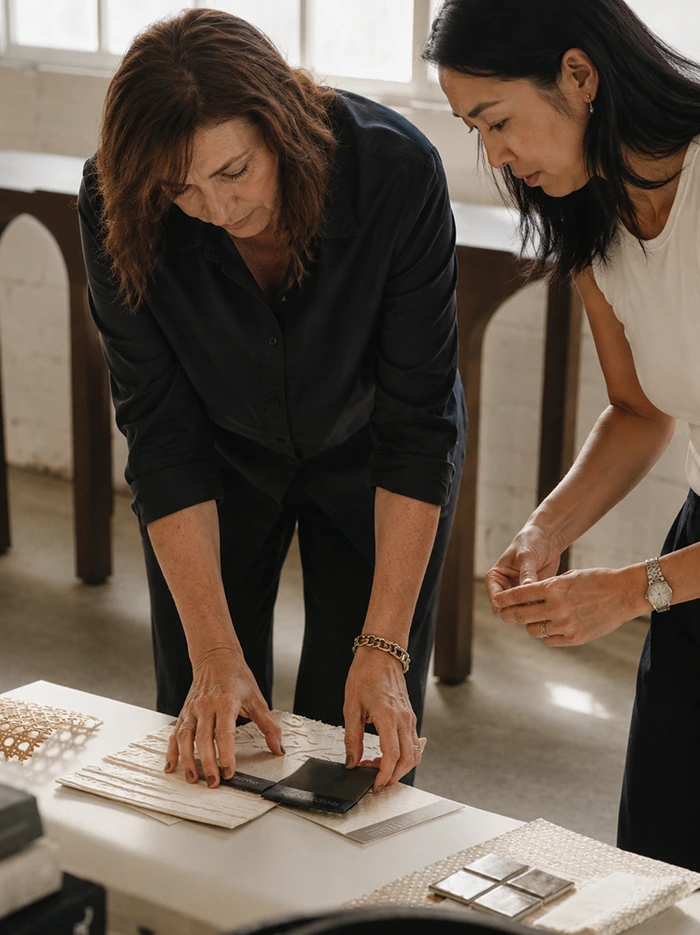
When does age start deciding who is hired, promoted or invited to speak? How do AI systems, marketing and hiring see women aged 45-64? Who checks these decisions and how?

Who decides on access to menstrual products, postpartum recovery and menopause care? How do medical practice, working conditions and public spaces affect women's health?

What happens between a woman's first request for protection and actual help? Where do delays and gaps in responsibility appear? What would make the route to help safer?
You choose the questions, the sources, the angle and the conclusions. We provide materials, explain Womafreesm's position and answer factual questions about our work. Research results come with their method and limitations, and the author's own positions are marked separately. Editorial independence stays with the newsroom.
A woman's personal story, and an introduction to her, need her separate consent for the specific piece and format. She decides on the terms of publicity, including which details that could identify her appear in the piece: her name, face, voice, town or employer. She can withdraw her consent before publication; after publication, changes are decided by the newsroom. Her safety comes first at every stage. Womafreesm does not use research responses to find women for the media. Where being publicly linked to an international organization would put a woman at risk, the work goes through local organizations instead.
A comment on a named employer, product or person requires evidence collected for that specific claim. In its reply, Womafreesm states what evidence would be needed.
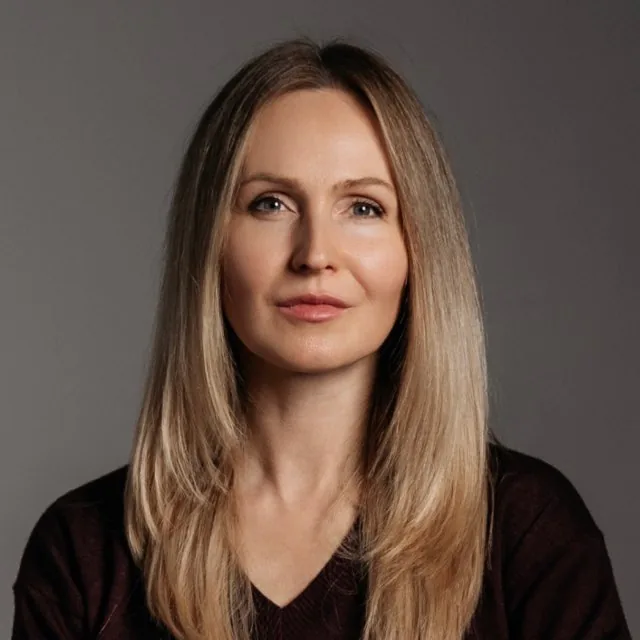
Founder & President, Womafreesm
Marina Sukhomlinova is the Founder and President of Womafreesm, architect of a new infrastructure for women's influence. She is the author of the concepts of Equal Consideration and Synarchat and the initiator of the global research program Women's Life-Cycle Economy Index.
Marina Sukhomlinova speaks for Womafreesm on its philosophy, the architecture of the system and where the work is heading. Other people speak publicly for Womafreesm only after a separate check, and only within the limits agreed for their role. Statements published through the confirmed channels of Womafreesm are the official ones. Answers written by the Knowledge Desk on this page are background only.
Marina Sukhomlinova's page
Full biography
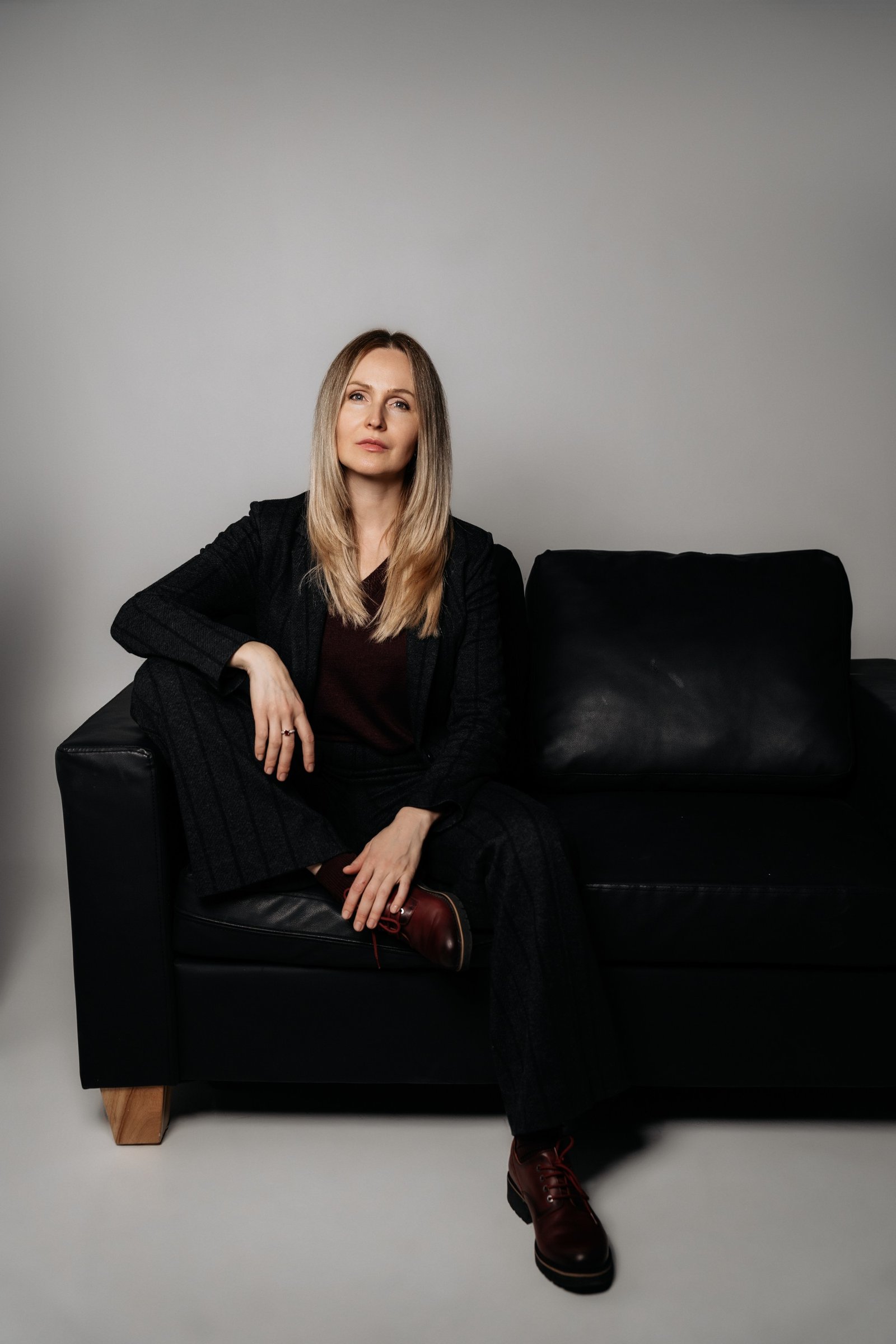
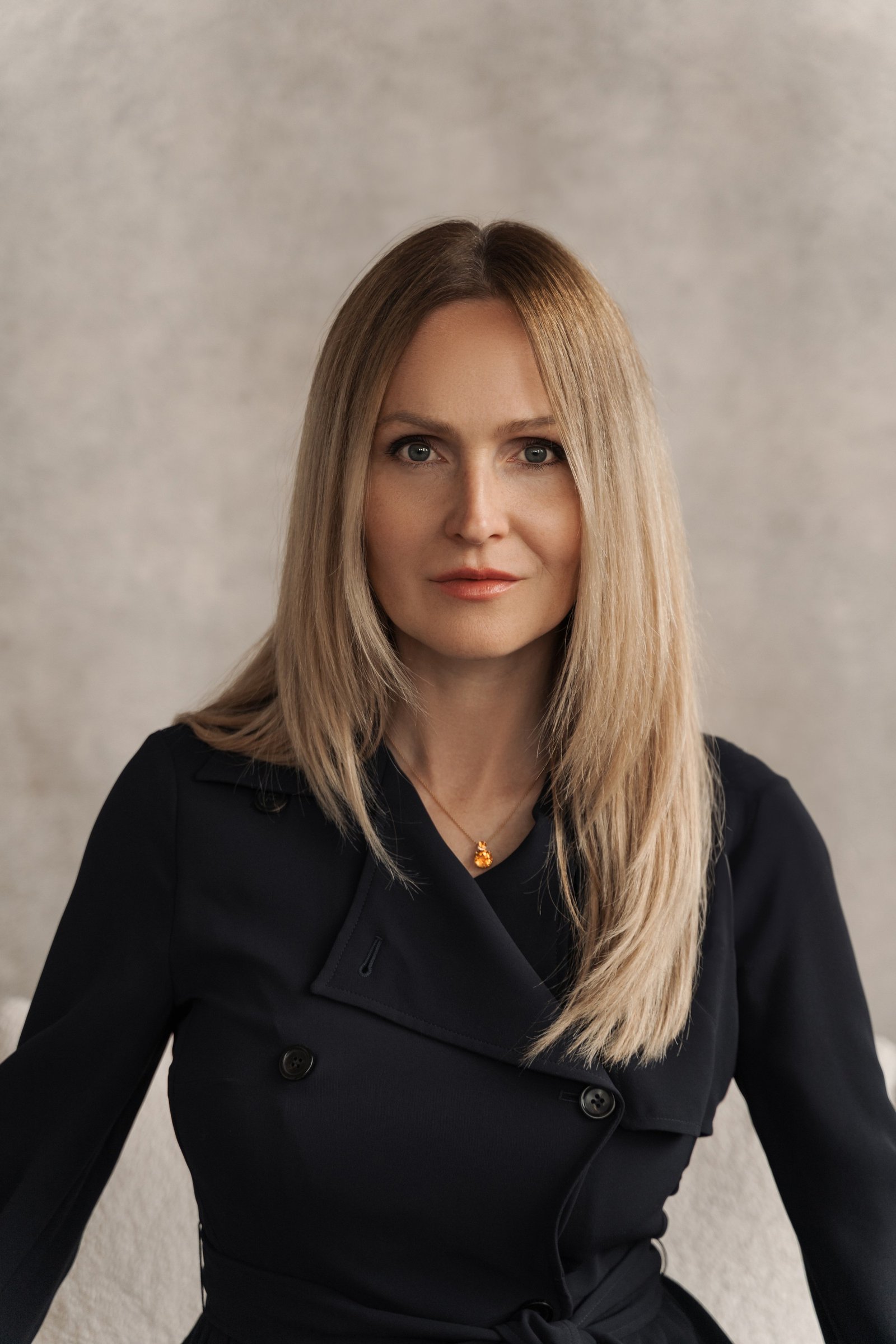
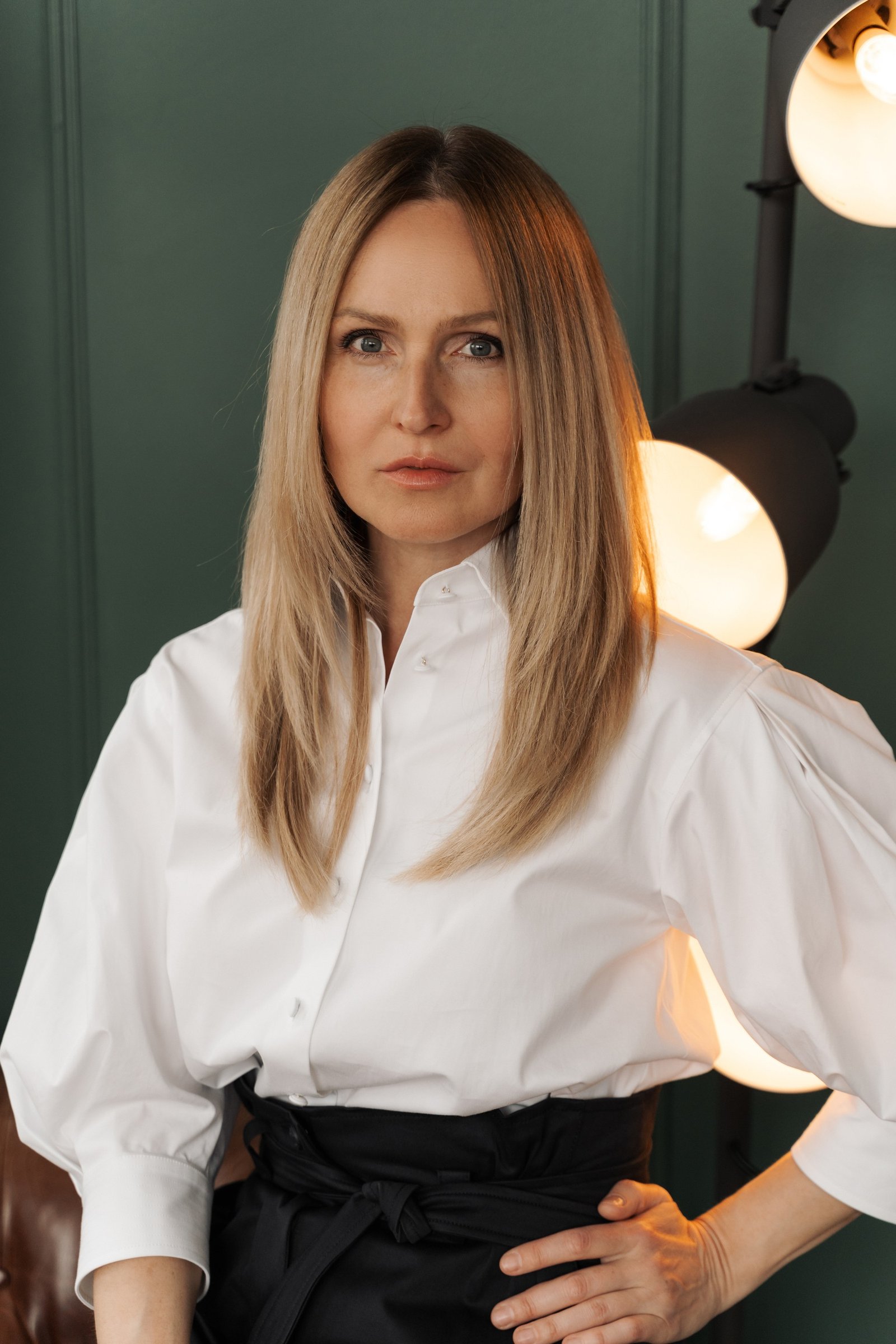
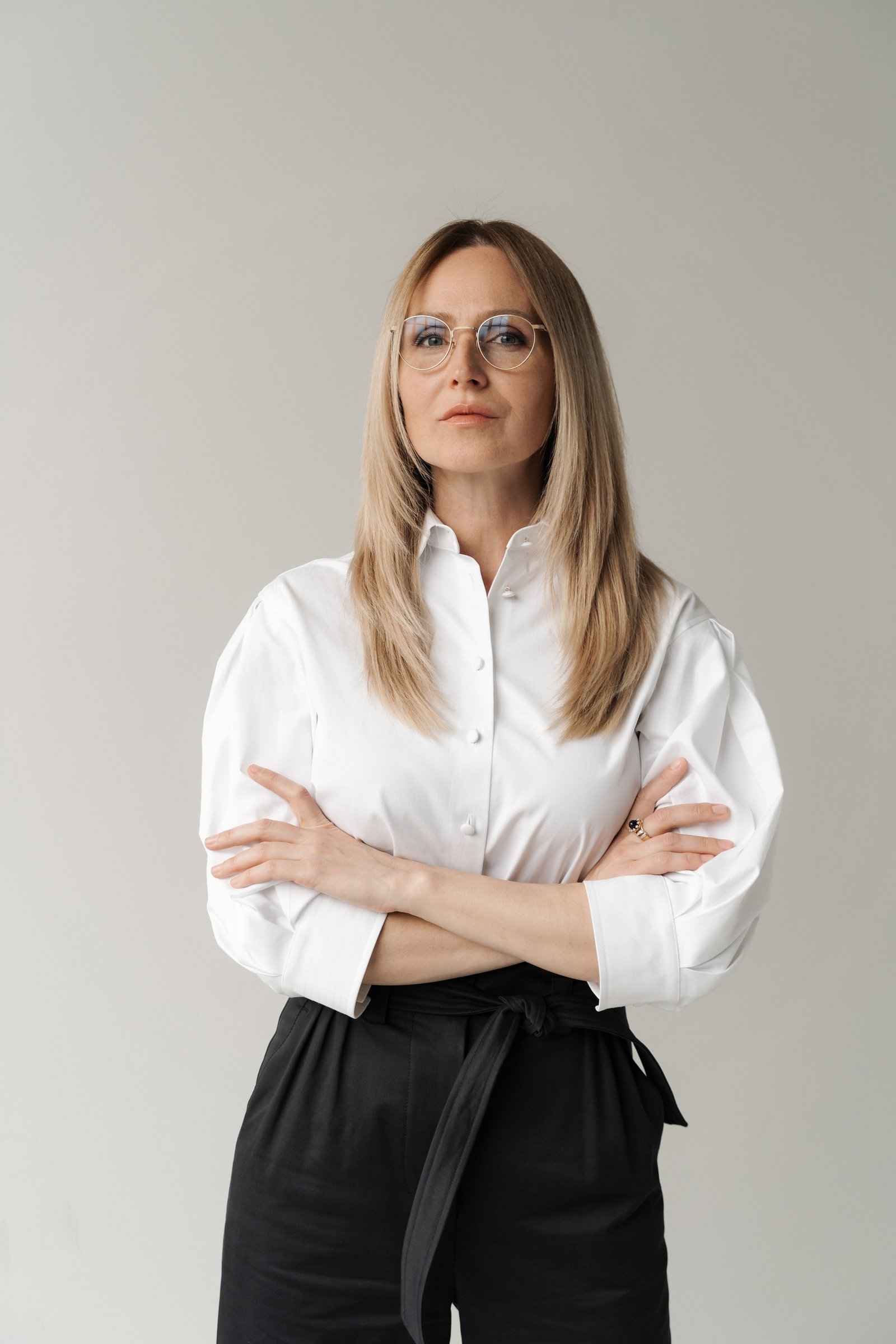
Photos of the founder
Marina Sukhomlinova can answer in writing, in the language your outlet needs.
About Womafreesm, for your article
Womafreesm (The World Organization of Women Nations Womafreesm) is a global infrastructure for women's influence, where a woman's experience stops being a private story and becomes a collective argument and a basis for changing decisions, norms and laws. It is an international nonprofit organization founded in 2025 by its Founder & President, Marina Sukhomlinova. Womafreesm works online and internationally, with a team distributed across countries.
In one sentence for a news story: "Womafreesm is an international nonprofit organization that turns women's lived experiences into evidence, research, legal pathways, institutional standards, and systemic change." In one line: "Womafreesm: a global infrastructure for women's influence."
Write the name as Womafreesm, one word with a capital W, and the founder's title as Founder & President.
The files below can be downloaded directly. Keep the logo's proportions and colors, and the clear space around it. Using the name or the logo in material that presents Womafreesm as a partner, sponsor or endorser needs written agreement in advance. Do not use the name or the logo in election or party campaign material.
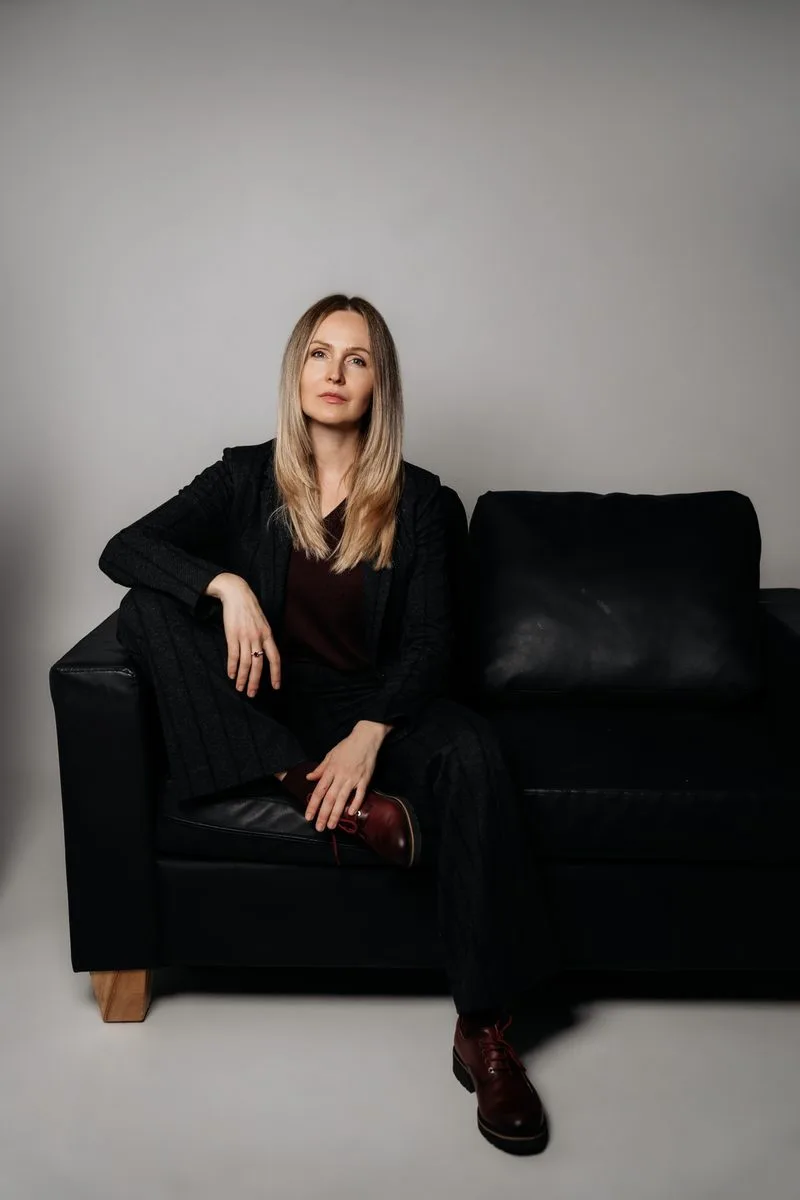
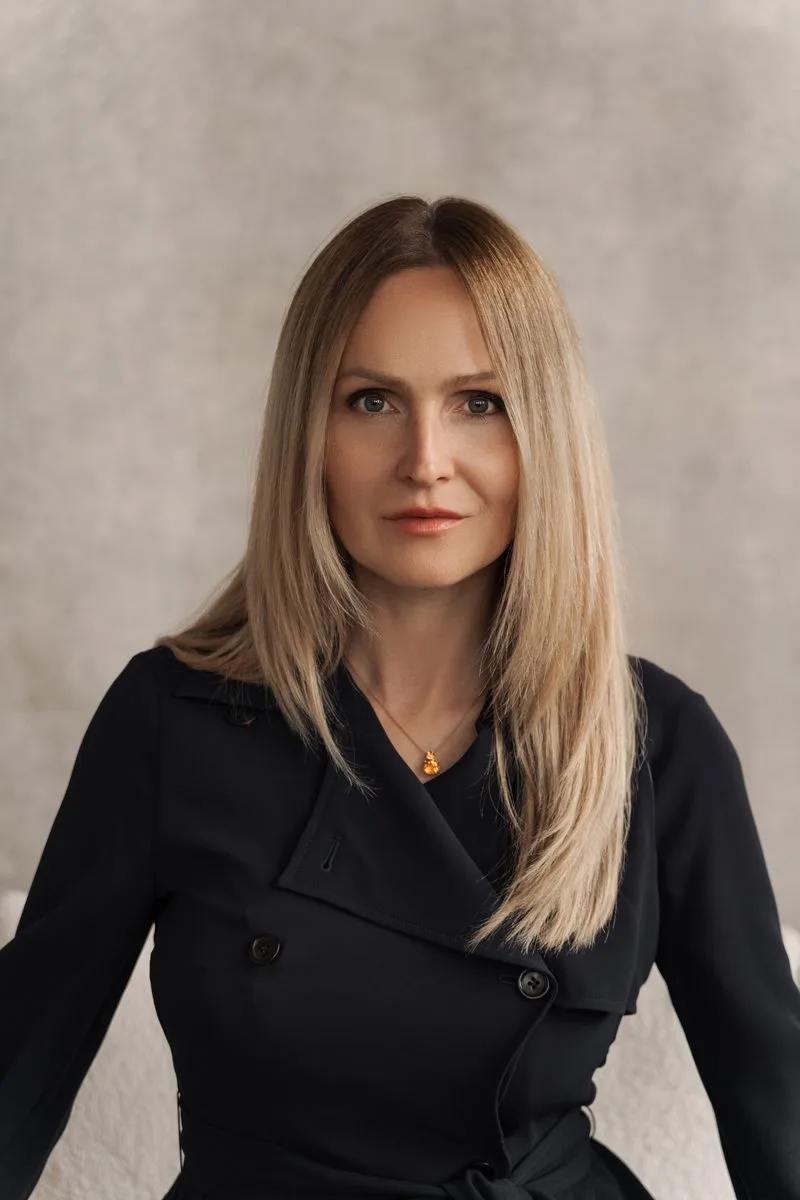
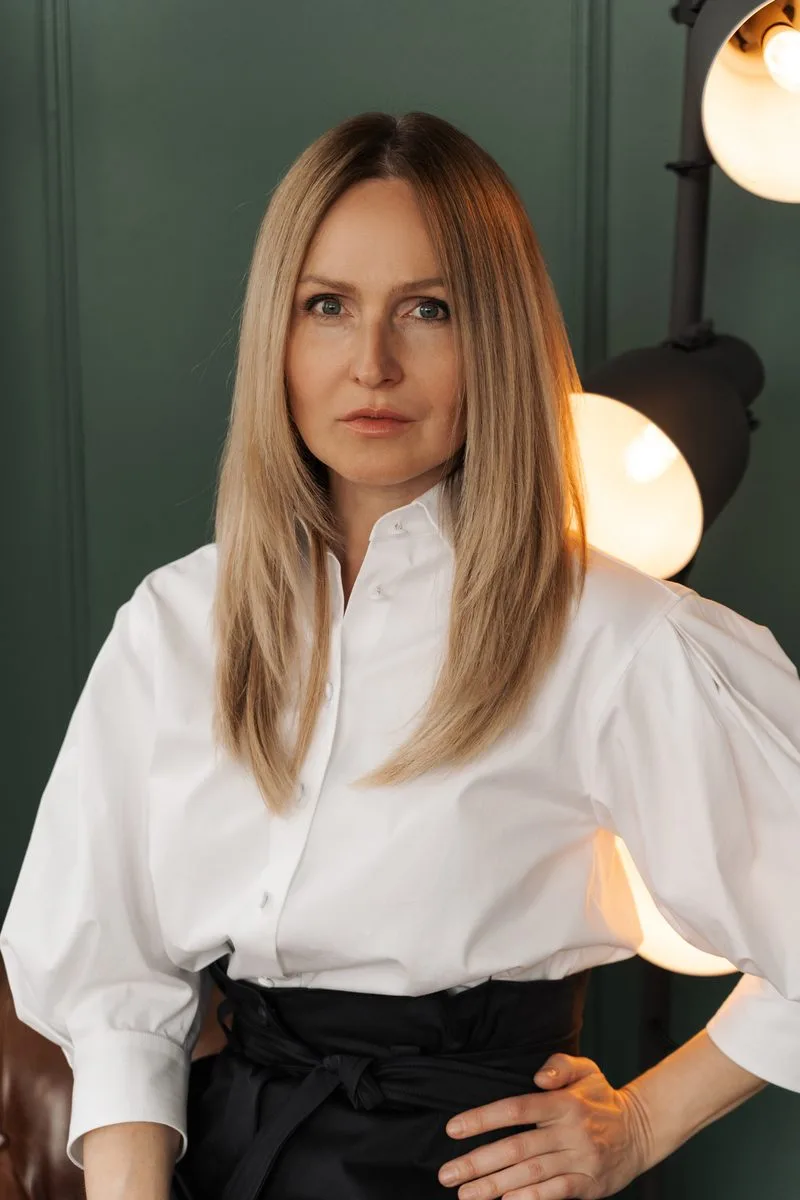
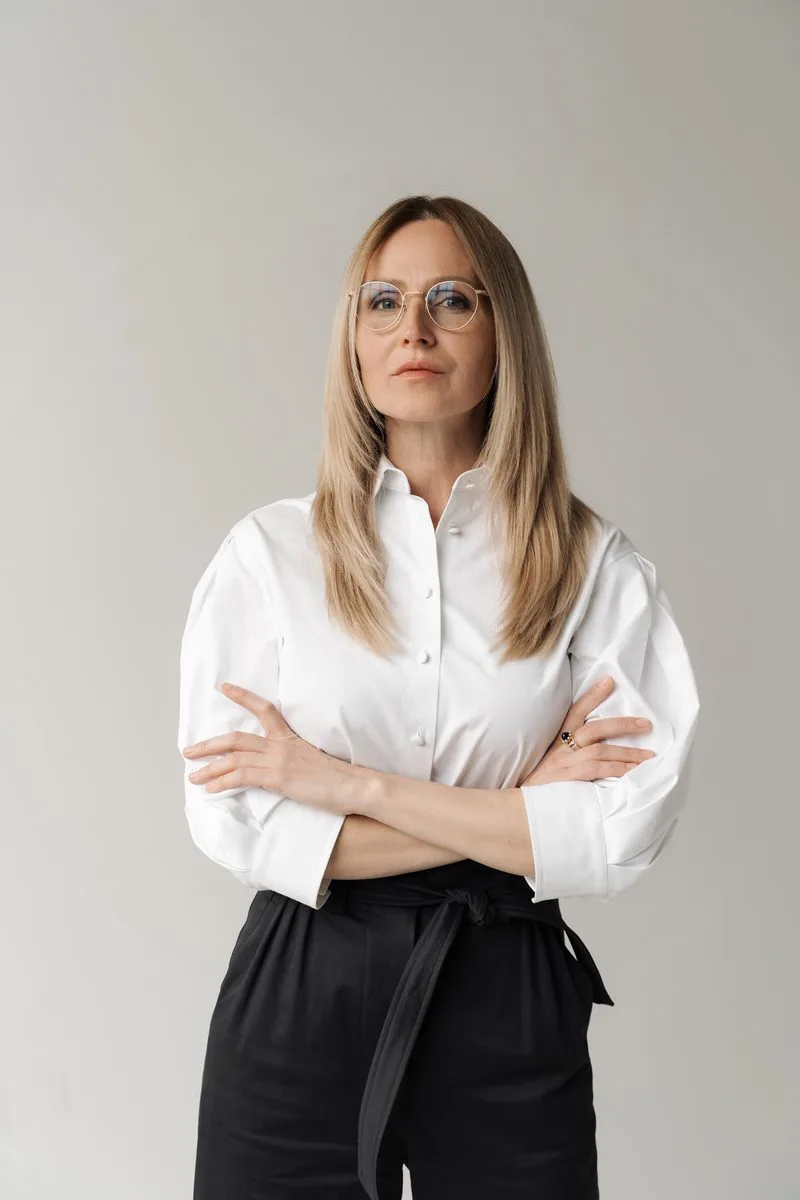
Free of charge for editorial use in coverage of Womafreesm and Marina Sukhomlinova. You may crop a photo to fit your layout without changing its meaning. Apart from cropping, do not retouch or alter the image. Not for advertising, endorsement or other commercial use.

Ukraine, in Ukrainian, 11 August 2026. Interview with Marina Sukhomlinova on women's invisibility and the power of data.
Read
Spain, in Spanish, September 2026 issue, page 8. An article about Womafreesm.
Read
United Kingdom, 30 September 2026. Recruiters are invited to take part in the Audit 45-64.
Read
Lviv, Ukraine, in Ukrainian, 19 August 2026. On the petition for free menstrual products in public institutions.
ReadKharkiv, Ukraine, in Ukrainian, 27 August 2026. A broadcast on the petition and the sanitary standard.
ReadZenodo. Preprint of the Audit 45-64 pilot P0 report, DOI 10.5281/zenodo.22997364.
ReadSSRN. Paper by Marina Sukhomlinova, abstract 7534280.
ReadORCID. Researcher profile of Marina Sukhomlinova, 0009-0009-6692-2896.
ReadPublic records, official profiles and independent coverage are also listed on the About page.
Media contact
Tell us which question you are researching, for which outlet, and what you need: a comment, answers from Marina Sukhomlinova to your interview questions, documents or experts. Add the format, the language and your deadline. We will reply to discuss the materials available, possible people to talk to and the next step.
For now, media requests are accepted by email. Your mail app will open with the subject and questions filled in: add your answers and send.
Write an emailPrefer email? info@womafreesm.com
A reliable expert comment rests on a named study with its sample and limits. Womafreesm can comment on the design and current stage of its study "Age-Gender Misclassification of Women Aged 45-64 in AI, Marketing and Hiring: An International Comparative Audit". The study calls a difference in AI answers discrimination only with evidence of real consequences, and its first public results are planned for December 2026.
A newsroom gets the most useful reply when one message names the question, the outlet, the format and the deadline. Womafreesm takes media requests through the form in its Press Center, including interview questions for Marina Sukhomlinova, and the Womafreesm Knowledge Desk on the same page gives background right away, with sources. Requests by email go to info@womafreesm.com.
A quote needs a named person who stands behind the words. The Knowledge Desk gives background from the Womafreesm knowledge base, written by an AI language model and labeled as AI-generated background. Lines in the Approved quotes tab can be quoted with attribution to Marina Sukhomlinova. Answers to your own questions become quotable when a named person at Womafreesm sends them to you in writing, under their own name.
A nonprofit can be checked through official documents from its state of registration and its tax authority. Womafreesm publishes its registration and tax status, with the Florida Certificate of Status, in the legal record on its About page, where its public records and profiles are also listed. A copy of the IRS determination letter is available on request through the form in the Womafreesm Press Center.
A description is most accurate when it uses the organization's own wording. The press kit in the Womafreesm Press Center gives a ready paragraph, and the shortest version reads: "Womafreesm: a global infrastructure for women's influence." The name is written Womafreesm, as one word. The founder is Marina Sukhomlinova, Founder & President, Womafreesm.
An introduction to a woman with lived experience depends on her consent and her safety. Womafreesm introduces a journalist to a woman only with her separate consent for the specific piece and format, and she decides how she appears. If public attention would put her at risk, the work goes through local organizations instead.
Select your Telegram language