First assessment of a case
You read a case in your field and help define its topic, the risks of disclosure, whether the facts are enough and whether work can go on.
We use analytics cookies to understand how the site is used. They stay off unless you accept them. Cookie Notice


Bring your expertise to women's rights cases and decisions, task by task, on terms agreed first.
Discuss expert work What experts doThe Womafreesm World Women's Assembly is an international alliance of women, women's organizations, experts, lawyers, researchers and institutions that help each other seek changes in the laws, standards and decisions that shape women's lives. Its experts assess cases, check facts, analyze research and write expert opinions. They agree on the role, workload, authorship and terms in advance and stay professionally independent.
"My paper came out in a good journal. Twelve people read it. People who make decisions don't read journals."
Data, cases and expertise about women's lives often stay divided by borders, languages and grant cycles. Here a research question can meet legal practice, a medical observation can meet data analysis, and a local case can meet the experience of another country. The shared task is to turn scattered knowledge into conclusions that can improve the rules and decisions affecting women.
You read a case in your field and help define its topic, the risks of disclosure, whether the facts are enough and whether work can go on.
You check a case against documents and other sources and note what confirms or contradicts it. Third parties are asked only with consent.
You assess which rules and remedies apply to a case and whether an institution can be approached. This is analysis, not court representation.
You review a study or a data set: where the data comes from, how complete, current and reliable it is, and what could distort the result.
You write an independent assessment of a case, a problem or a policy question, an evidence review, or recommendations for decision-makers.
You review drafts of Assembly materials before release, or work on one topic in a group with specialists from other fields and countries.
Your work can go into Assembly products that carry a stated evidence level, such as Evidence Briefs and Policy Briefs for decision-makers, and into materials for dialogue with institutions.

Womafreesm pays for jobs that need a professional on a salary or a contract. Paid or volunteer terms for each task are agreed with you before it starts.
You stay professionally independent and answer for your conclusions, which donors have no right to influence. Your personal view is marked as personal.
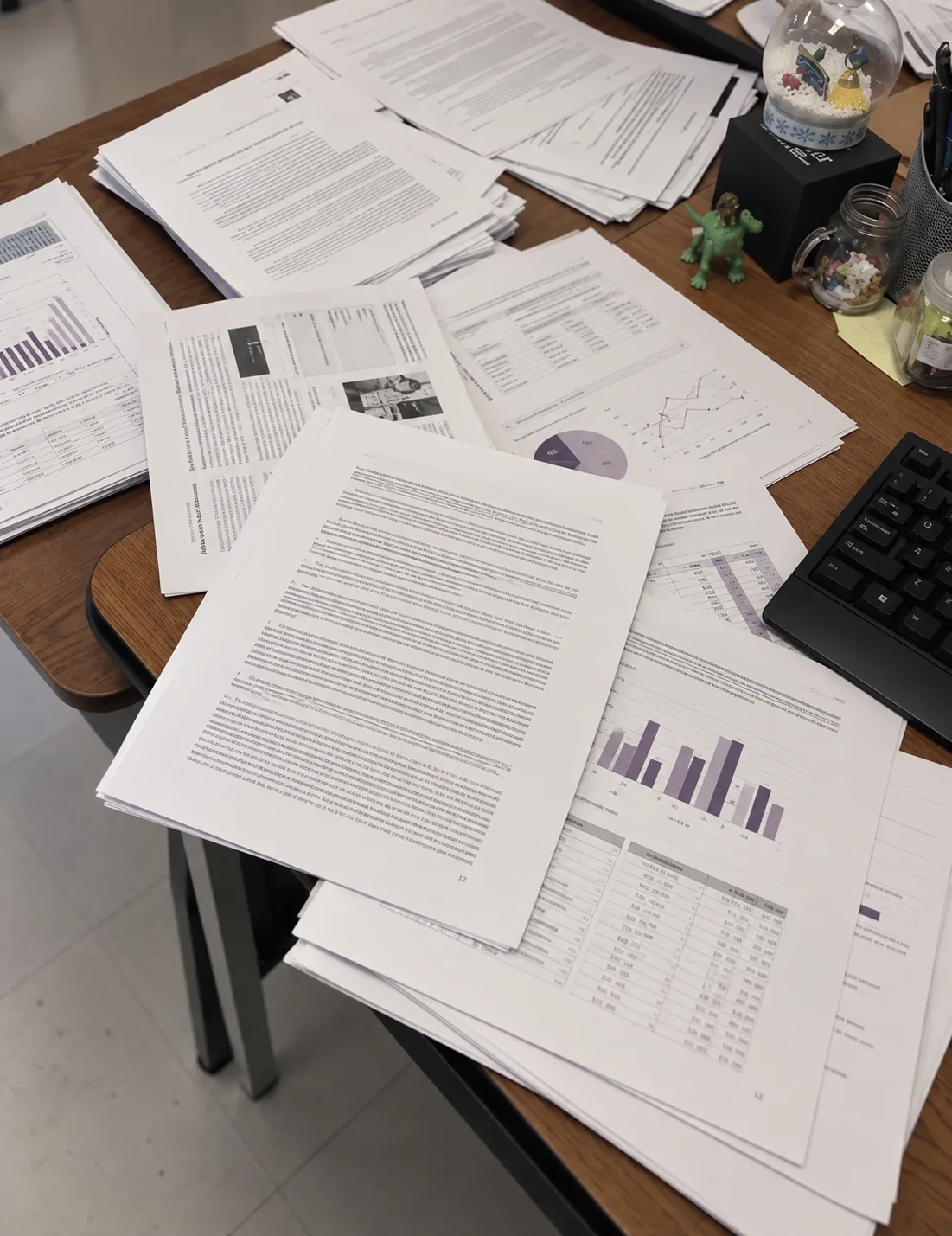
Authorship and public mention of your name are agreed with you, based on the nature of the material, your actual input and the publicity you choose.

You receive only the data a task needs and keep it confidential on terms agreed in writing. Before each task, you disclose any conflict of interest.
You send us an application and give your qualifications, fields of expertise, working languages, availability and any possible conflicts of interest.
We review the details you give us. Where needed, we ask you to confirm your education, licenses or work experience through a channel agreed with you.
If your application is accepted, you are added to a private expert registry. This does not guarantee a task: you are invited when your field is needed.
If a task in your field comes up, a coordinator discusses its content and terms with you. Work starts once you agree on the role, result and data access.
Write to us through the contact form. We will reply to the address you give.
Discuss expert workThrough the expert network of the Womafreesm World Women's Assembly. The Assembly accepts cases from any country. You apply once and list your fields, working languages and availability. When a case or a study needs your field, a coordinator discusses the task with you, for example a first assessment, fact-checking, legal analysis or an expert opinion. Terms are agreed first, and you stay professionally independent.
The Womafreesm World Women's Assembly looks for professionals with confirmed qualifications in law and human rights, economics, health, education, social work, research and data analysis, technology and AI, public policy, security and media. You can also apply with expertise in the care economy or in age discrimination and women 45+. One case can need several fields at once: a legal question may meet medical evidence and data analysis.
It depends on the task, and you will know before you start. Volunteer work does not replace paid roles. Where a job needs a professional on a salary or a contract, Womafreesm pays for it. Each task has its own terms: payment, a volunteer contribution or another format, agreed with you in advance together with the question, the result and the timing. Joining the expert network costs nothing.
Yes. When you apply, you choose a format: a one-time consultation, a project or regular participation. You also give your availability, in hours a month or as a description of the workload you can take on. Each task is discussed with your availability in mind, and work begins only once you have agreed on the role, the result and access to data.
Disclose it before work starts. Under the Assembly's Code of Ethics and Conflict of Interest Policy, a conflict is not a violation in itself; hiding it is. Name financial or professional ties, public offices, public party or campaign roles, or a dispute with someone in a case; for family ties, say only that a conflict exists, without names. Your role is then defined or limited, or another specialist takes over.
Only if you agree. Taking part in the Assembly does not require publicity. We agree with you on your name, workplace and authorship separately for each piece of work, depending on its nature, what you actually contributed and how public you want to be. Access to working materials is also set by the level of confidentiality you choose. Speaking on behalf of the Assembly needs a separate mandate.
You do not need a license number to apply. It is needed only for a task where a license is required. To show your experience, choose what you have: a profile on your institution's website, publications, a portfolio or an entry in a professional register. If proof of your education, license or experience is needed, we will ask for it through a channel agreed with you.
Professional roles in Womafreesm outside the AssemblyBecome a partnerHow the Assembly is governed
Select your Telegram language