
Marina Sukhomlinova

Founder & President of Womafreesm

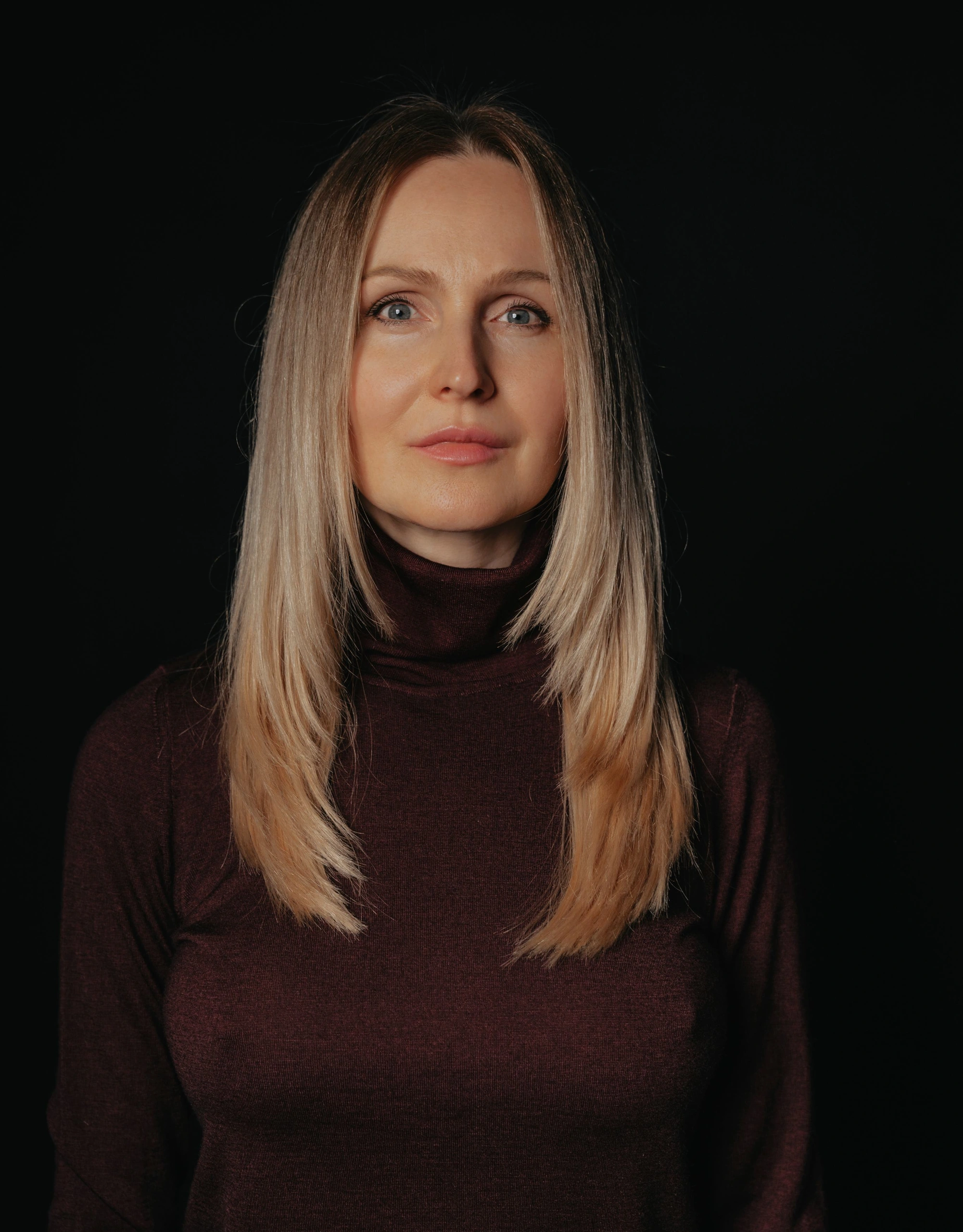
Portrait of Marina Sukhomlinova

Marina Sukhomlinova, founder of Womafreesm and architect of a new infrastructure for women's influence. She is creating a system in which women's real-life experiences are transformed into data and evidence, which then form the basis for new rules, laws, standards and decisions that change women's lives.

In 2025, Marina founded The World Organization of Women Nations Womafreesm, an international non-profit organization registered in the US and holding 501(c)(3) Public Charity status.

Women are not broken.
The system is.

At the heart of her work lies an idea that has become both the philosophy of Womafreesm and a way of looking at many issues that women have come to regard as personal:

A Fundamental Question

At the heart of Marina's work lies one fundamental question: what happens when the economy, medicine, the labour market, technology, AI, laws and public policy are shaped by an incomplete understanding of human life?

Pregnancy and postnatal recovery, motherhood, caring for children and ageing relatives, unpaid work, career breaks, hormonal changes, the menopause, age-related changes, periods of financial dependence, and shifts in work patterns and responsibilities are all part of life for millions of women. And yet the systems that shape health, income, careers, safety and opportunities all too often continue to treat these realities as private matters for the woman herself, rather than as factors that must be taken into account when formulating policies.

The cost of this gap is not merely theoretical. It manifests itself in lost income, interrupted career paths, the devaluation of women's health, age-related invisibility, economic vulnerability, and algorithms capable of reproducing long-standing notions about women's age, role and value on a digital scale.

Marina is not only interested in how to help a woman cope with the consequences. She is interested in the reason why the same problem keeps recurring.

If similar stories occur in the lives of thousands and millions of women, the question must be framed more broadly: which part of the system itself is producing this result again?

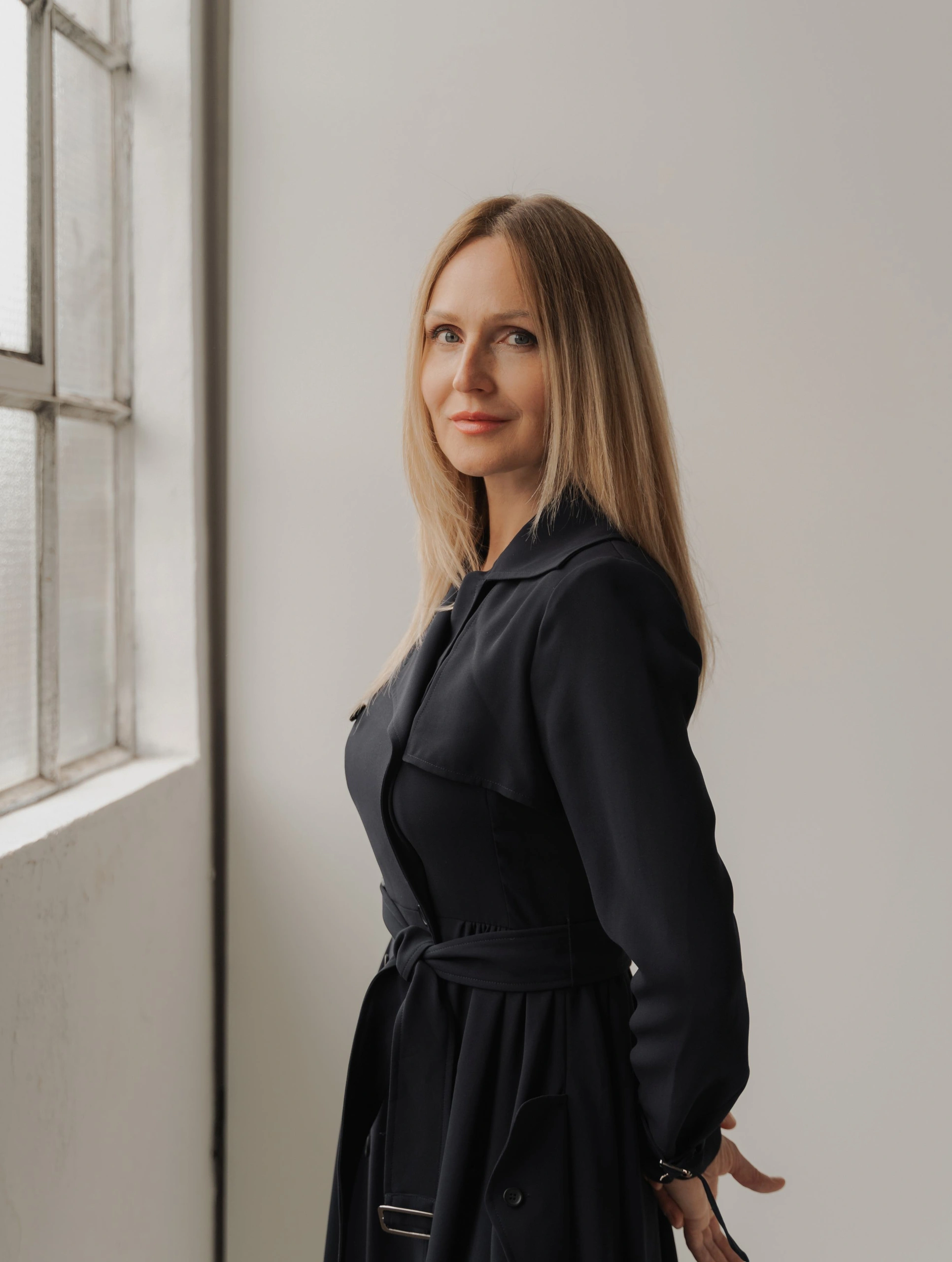
Marina Sukhomlinova by a window

It is with this very question that her work begins.

When a personal story becomes evidence

A single woman's story may remain a private experience. When similar stories recur across different countries, professions, age groups and social groups, they begin to form a pattern. When this pattern can be studied, measured and compared with other data, personal experience takes on a different significance. It becomes evidence capable of influencing the decision-making process.

Following this line of reasoning, a woman gains more than just the right to tell her story. Her experience becomes knowledge that can change medical practice, influence workplace arrangements, highlight a flaw in technology, raise a new research question, or form the basis for a change in public policy. For Marina, this is where genuine female influence begins. Women's reality must be present not only in discussions about women, but also within the very architecture of the world in which laws, technologies, medical protocols, economic models and labour regulations are devised.

Marina's work is therefore structured around a step-by-step process:

  1. Women's Experiences
  2. Data
  3. Evidence
  4. New rules, Laws, Standards & Decisions

It is not enough to recognize the problem.
We need to build what can change it.

Marina's work combines a broad philosophical idea with a very practical aim: to make recurring problems visible, measurable and sufficiently substantiated so that they can influence decision-making. It is from this line of reasoning that the main areas of research and system-level work have emerged, which she develops through Womafreesm.

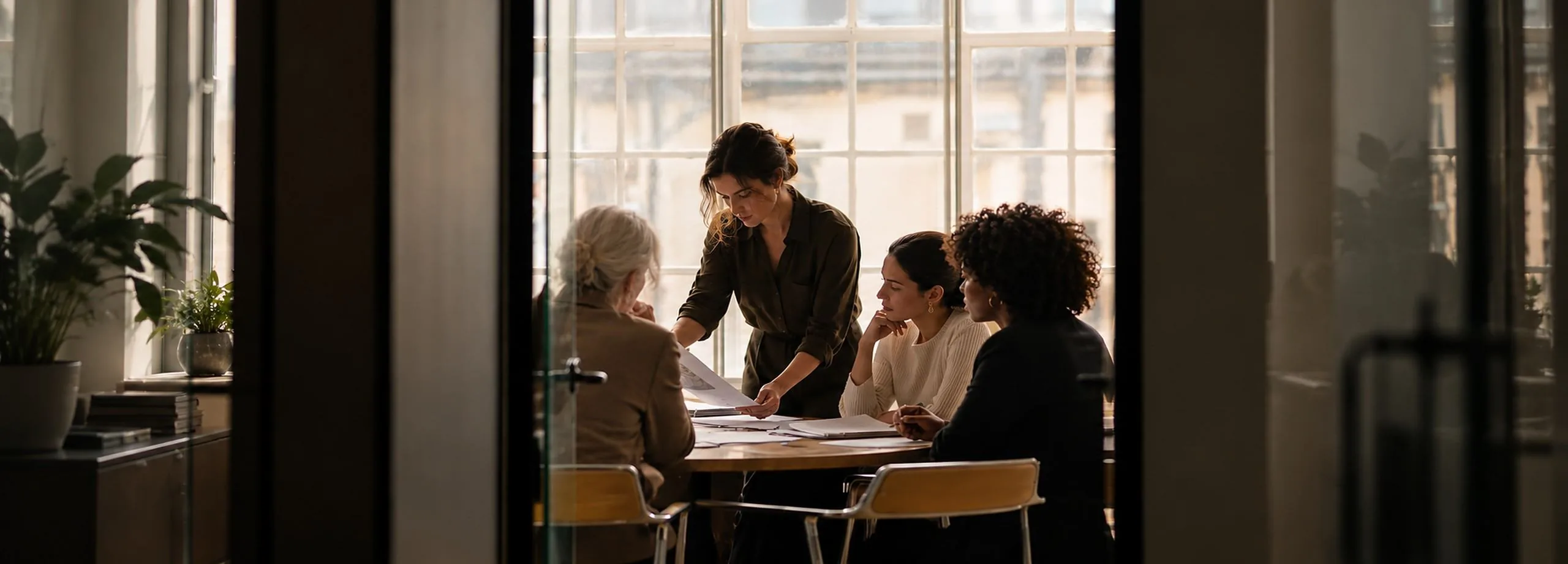
Women around a table at a working meeting

Women's Life-Cycle Economy Index

Marina founded and leads the Women's Life-Cycle Economy Index, a global research programme dedicated to the cost of systematically disregarding women's life cycles. The programme is being prepared for its international rollout.

The aim of this study is to examine women's lives not as a collection of separate “women's issues”, but as an interconnected reality. Motherhood, unpaid care work, career breaks, health, the menopause, age, economic security and professional visibility all influence one another and simultaneously intersect with medicine, the economy, the labour market, the law, technology and AI.

The aim of the Index is to use data to show exactly where the system fails to take women into account, the price that women themselves, the economy and society pay as a result, and which policies need to be reviewed.
Equal Consideration Standard

As a next step, Marina designed the architecture of the Equal Consideration Standard, a framework for assessing the extent to which a woman's real life was taken into account in the design of a particular decision. Its methodology is being written now.

The Standard poses a straightforward question of a law, a technology, an AI system, a medical protocol, a product, an operating model, or a corporate or government decision: which aspects of women's lives were included in the original model, and what consequences arise where that model remains incomplete?

The Women's Life-Cycle Economy Index helps to identify and measure blind spots. The Equal Consideration Standard translates this knowledge into criteria that can be used to review decisions and create more accurate systems.

A woman walking along a colonnade
An older woman walking along a colonnade

Age, algorithms and a new form of invisibility

A separate area of Marina's work focuses on women aged 45-64 and the dynamics at the intersection of age, gender and new digital systems.

AI is playing an increasingly active role in recruitment, candidate assessment, recommendations, marketing and shaping public perception. This means that old societal stereotypes can be perpetuated if they become part of algorithms that make decisions on a massive scale.

Marina explores what happens to a woman at that stage of her life when her professional experience, maturity and accumulated knowledge should become an asset, yet the market, culture and digital systems may begin to interpret her age differently.

Behind this line of inquiry lies a broader question: what happens when the technologies of the future inherit perceptions of women shaped by the past?

This question came up
long before Womafreesm

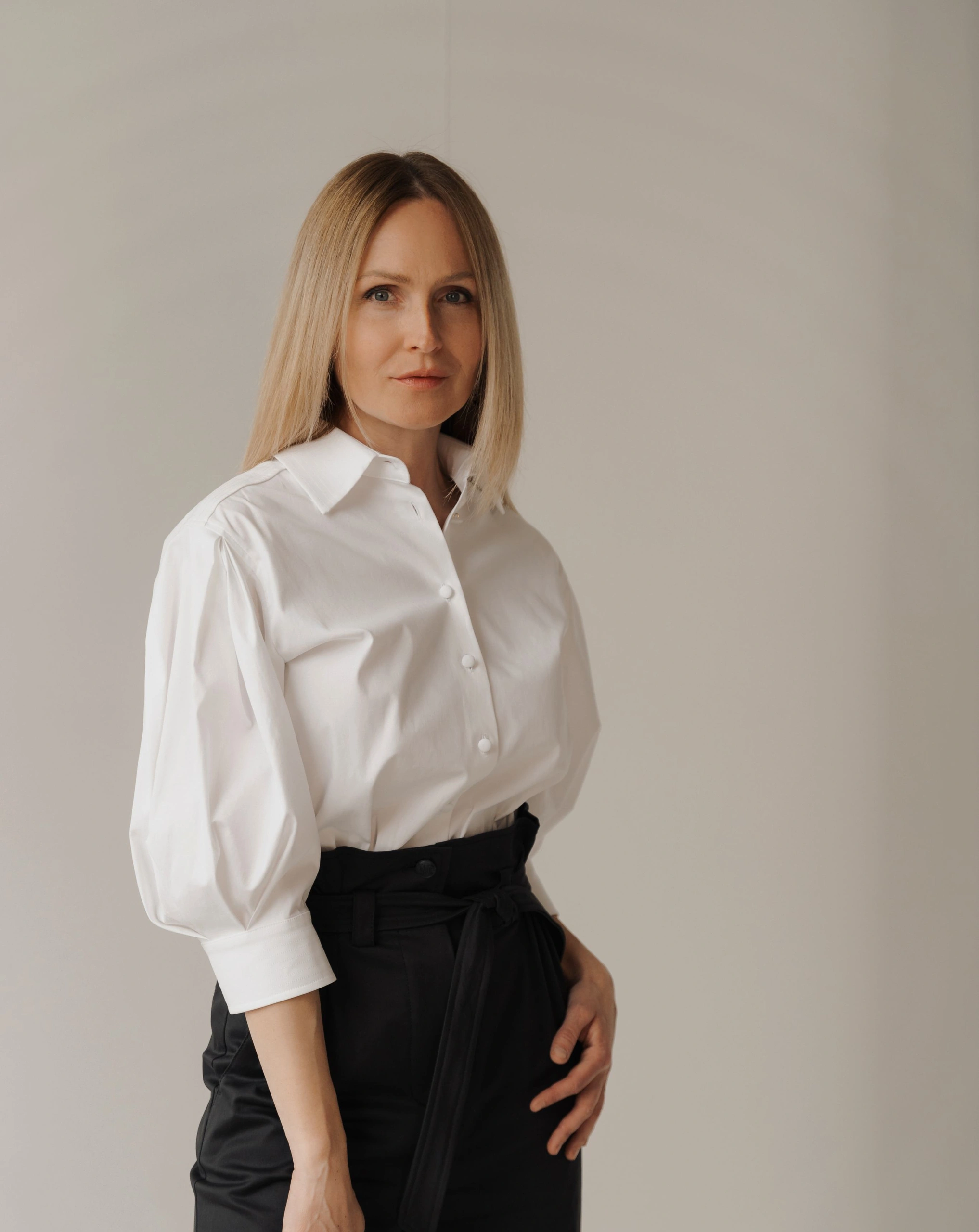
Marina Sukhomlinova in a white shirt

Psychology enabled her to see the internal consequences of the system. Journalism taught her to ask precise questions and to distinguish observation from interpretation. Community and civic work revealed the scale of recurring problems. Her experience of engaging with public and political processes allowed her to understand how decisions, laws and regulations are formed. Over time, these strands converged into a single goal: to create mechanisms capable of simultaneously influencing data, public discourse and the architecture of decision-making.

Womafreesm was founded in 2025, although the journey towards its creation began much earlier. Social, charitable, cultural and civic initiatives have been a feature of Marina's professional career since 1997. Her experience combines psychology, political psychology, journalism, social activism and work on social projects; as a result, over the years she has viewed the same issue from various perspectives: how people perceive themselves, how society shapes norms, how public discourse influences perception, and how decisions made by the state and institutions are translated into everyday life.

In 2003, Marina authored the paper “The Perception of Political Figures from a Gender Perspective” and took part in the All-Ukrainian scientific and practical conference “Gender: Realities and Prospects in Ukrainian Society”. Even then, her research interests centred on gender, leadership, public perception and how gender influences the assessment of individuals in the public sphere.

Since 2015, Marina has led a nationwide civil society organization and has been involved in the development and implementation of more than 20 national projects. This work has given her practical experience of social processes, organizing people, civic initiatives and engaging with public decision-making mechanisms.

The full story of this journey, including personal events, community involvement, professional training and the circumstances that led to the creation of Womafreesm, is set out in the full biography of Marina Sukhomlinova.

From the right to be heard
to the right to shape the world

n 2025, Marina founded The World Organization of Women Nations Womafreesm as a system in which this approach begins to operate on an international scale.

Womafreesm is being developed as a global infrastructure for women's influence, bringing together women's real-life experiences, research, data, evidence, protection mechanisms, legal work, new standards and international cooperation.

For Marina, women's influence means much more than simply the visibility of women in the public sphere or the number of women in leadership roles. True influence begins when women's realities are given sufficient weight to become part of the very design of solutions.

When medical protocols are developed with the female body and the female life cycle in mind. When the labour market recognizes the realities of motherhood and unpaid care work. When technologies are assessed based on how they perceive women of different ages. When laws are drafted with an understanding of how they will be experienced by women in real life. When women's accumulated experiences become data, and that data gains the power to shape decisions.

Marina sees the next stage of the women's movement precisely here: women becoming not only people who need to be heard or protected, but also full participants in designing the systems that shape their lives and the future of coming generations.

This is the new infrastructure of women's influence that she is creating through Womafreesm.

If you would like to help change the system

Marina is open to collaborating with foundations, philanthropists, universities, research centres, women's organizations, international bodies, companies, technology and AI teams, media, and partners interested in long-term systemic impact.

Particular importance is given to research and academic partnerships, philanthropic support, women's health and life-cycle research, AI and gender- and age-related bias research, and the development of new standards and Womafreesm's international research infrastructure.

Partnership